
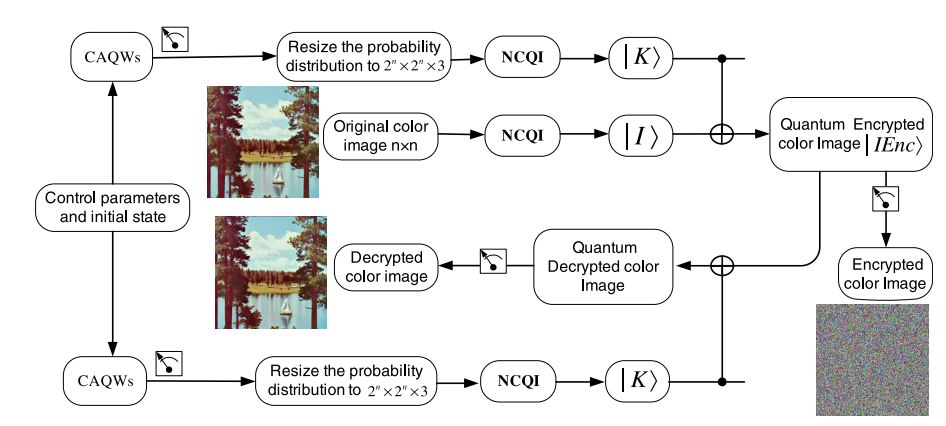
Controlled alternate quantum walk-based pseudo-random number generator and its application to quantum color image encryption
Pseudo-random number generator (PRNG) are a key component in the design of modern cryptographic mechanisms and are regarded as a backbone element of many modern cryptographic applications. However and in spite of their robustness, quantum computers could crack down PNGR-based systems. Quantum walks, a universal model of quantum computation, have nonlinear properties that make them a robust candidate to produce PRNG. In this paper, we utilize controlled alternate quantum walk (CAQW) to create PRNG. Moreover, we use the presented PRNG mechanism as a component of a new quantum color image
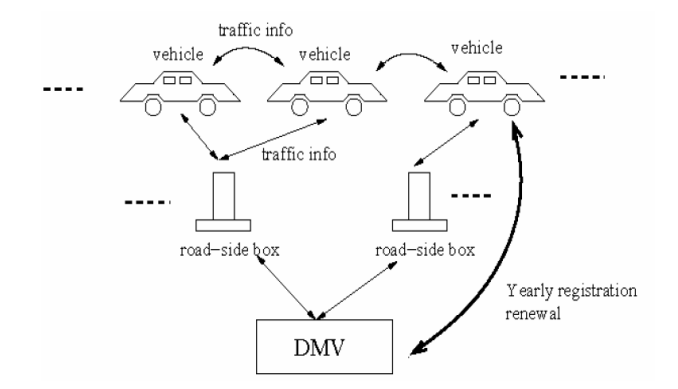
Combating sybil attacks in vehicular ad hoc networks
Vehicular Ad Hoc Networks (VANETs) are considered as a promising approach for facilitating road safety, traffic management, and infotainment dissemination for drivers and passengers. However, they are subject to an attack that has a severe impact on their security. This attack is called the Sybil attack, and it is considered as one of the most serious attacks to VANETs, and a threat to lives of drivers and passengers. In this paper, we propose a detection scheme for the Sybil attack. The idea is based on public key cryptography and aims to ensure privacy preservation, confidentiality, and non
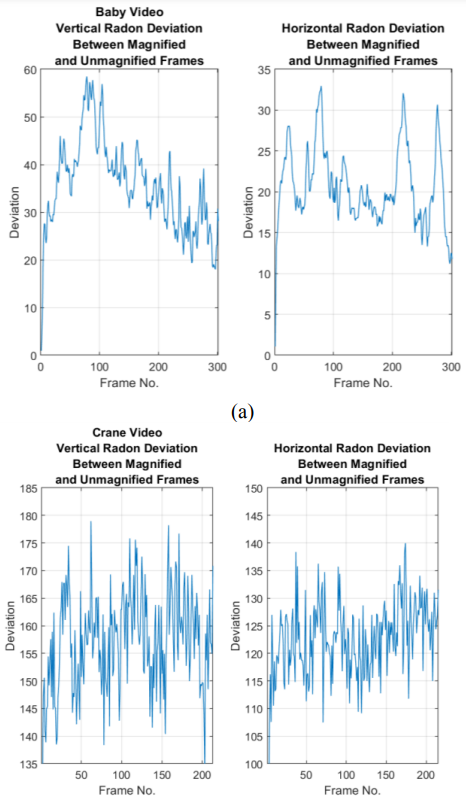
Complexwavelet Transform Cwt Based Video Magnification for 3d Facial Video Identification
Magnifying micro changes in motion and brightness of videos that are unnoticeable by the human visual system have recently been an interesting area to explore. In this paper, we explore this technique in 3D facial video identification, we utilize this technique to identify 3D objects from 2D images. We present a Complex Wavelet Transform CWT, 2D-Dual CWT based technique, to calculate any changes between subsequent video frames of CWT sub-bands at different spatial locations. In this technique, a gradient based method is proposed to determine the orientation of each CWT sub band in addition to
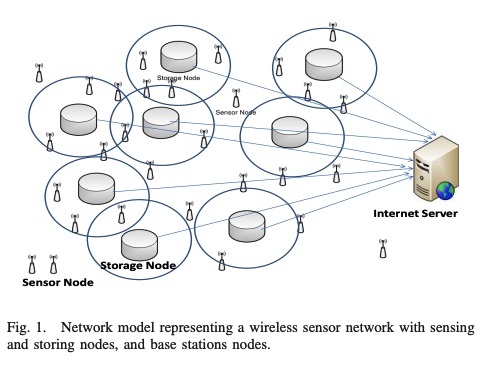
A distributed data collection algorithm for wireless sensor networks with persistent storage nodes
A distributed data collection algorithm to accurately store and forward information obtained by wireless sensor networks is proposed. The proposed algorithm does not depend on the sensor network topology, routing tables, or geographic locations of sensor nodes, but rather makes use of uniformly distributed storage nodes. Analytical and simulation results for this algorithm show that, with high probability, the data disseminated by the sensor nodes can be precisely collected by querying any small set of storage nodes.
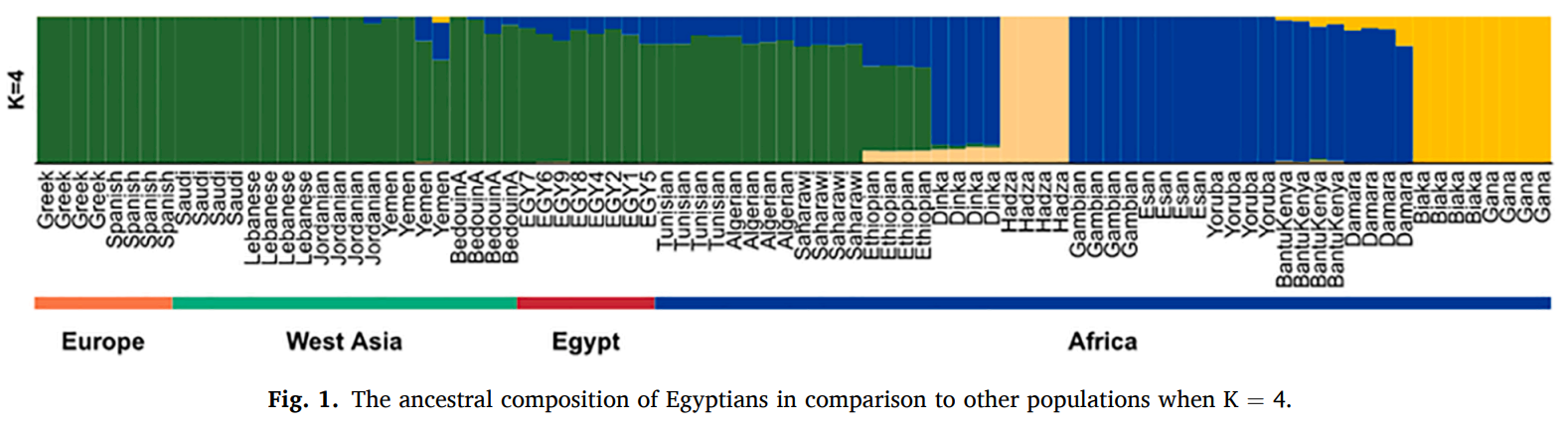
Complete genome sequence and bioinformatics analysis of nine Egyptian females with clinical information from different geographic regions in Egypt
Egyptians are at a crossroad between Africa and Eurasia, providing useful genomic resources for analyzing both genetic and environmental factors for future personalized medicine. Two personal Egyptian whole genomes have been published previously by us and here nine female whole genome sequences with clinical information have been added to expand the genomic resource of Egyptian personal genomes. Here we report the analysis of whole genomes of nine Egyptian females from different regions using Illumina short-read sequencers. At 30x sequencing coverage, we identified 12 SNPs that were shared in
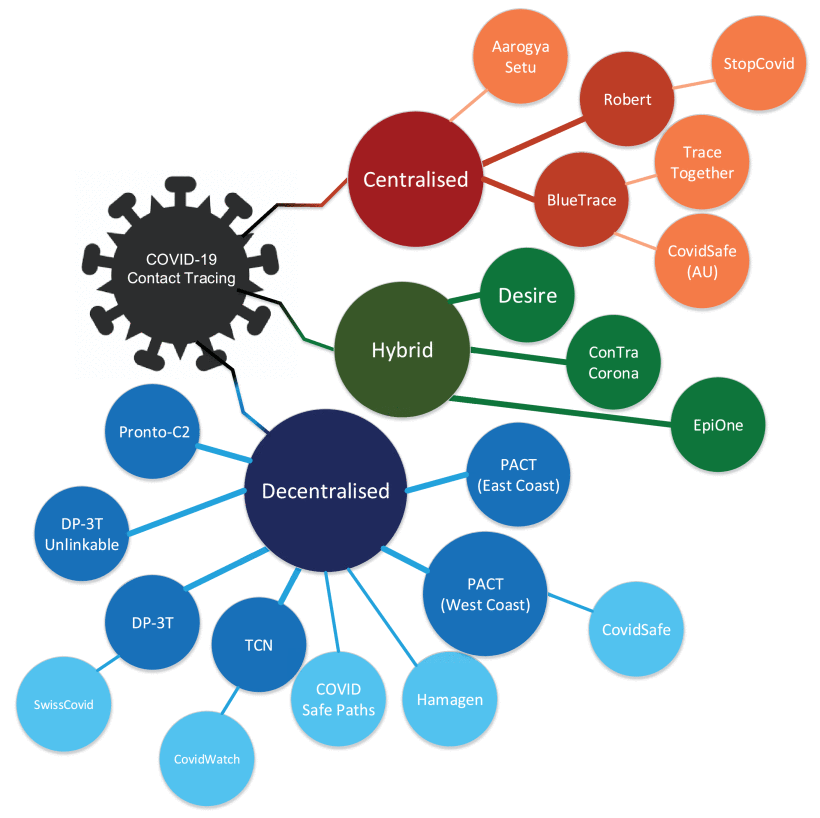
A Survey of COVID-19 Contact Tracing Apps
The recent outbreak of COVID-19 has taken the world by surprise, forcing lockdowns and straining public health care systems. COVID-19 is known to be a highly infectious virus, and infected individuals do not initially exhibit symptoms, while some remain asymptomatic. Thus, a non-negligible fraction of the population can, at any given time, be a hidden source of transmissions. In response, many governments have shown great interest in smartphone contact tracing apps that help automate the difficult task of tracing all recent contacts of newly identified infected individuals. However, tracing
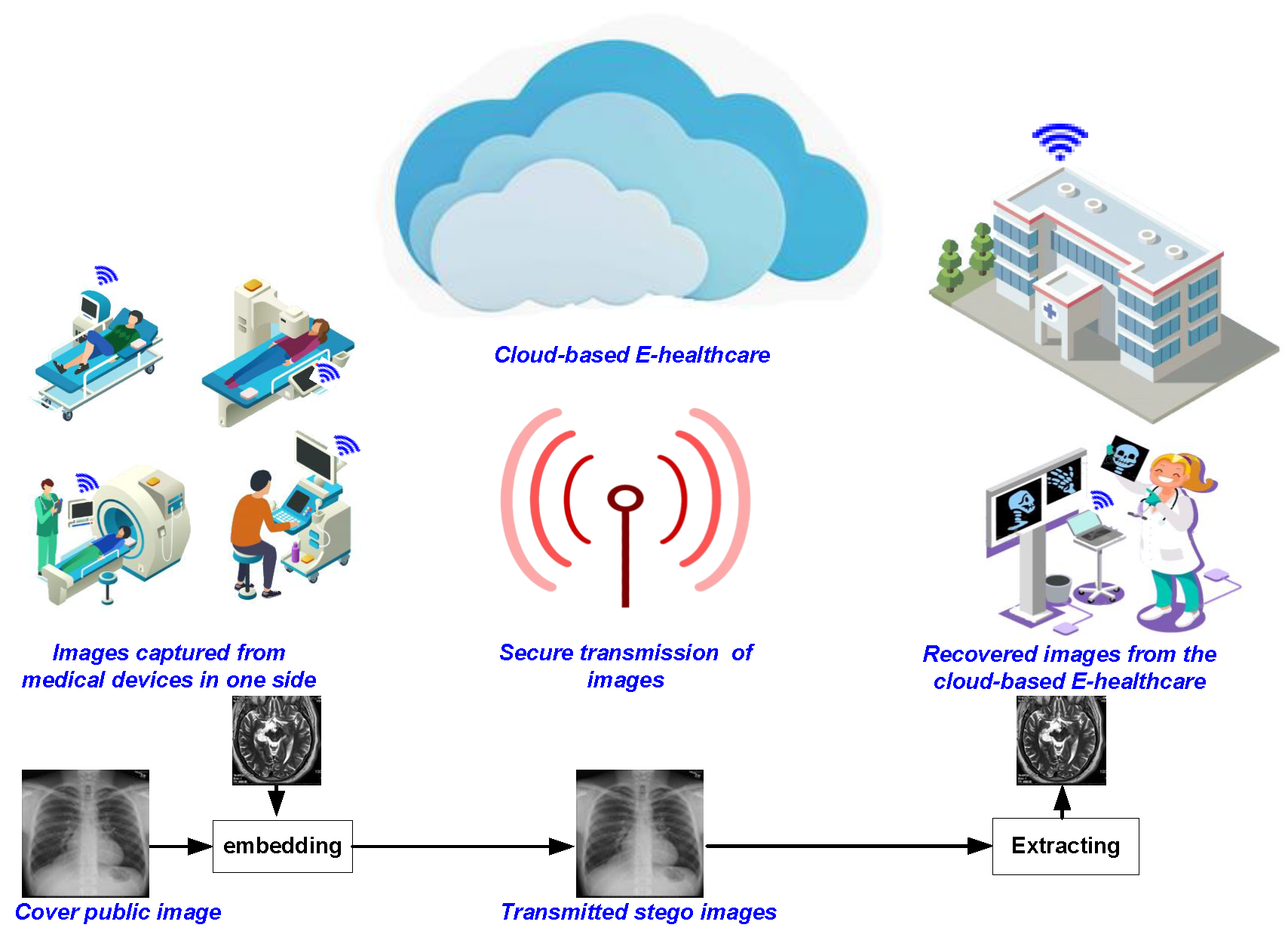
A robust quasi-quantum walks-based steganography protocol for secure transmission of images on cloud-based E-healthcare platforms
Traditionally, tamper-proof steganography involves using efficient protocols to encrypt the stego cover image and/or hidden message prior to embedding it into the carrier object. However, as the inevitable transition to the quantum computing paradigm beckons, its immense computing power will be exploited to violate even the best non-quantum, i.e., classical, stego protocol. On its part, quantum walks can be tailored to utilise their astounding ‘quantumness’ to propagate nonlinear chaotic behaviours as well as its sufficient sensitivity to alterations in primary key parameters both important
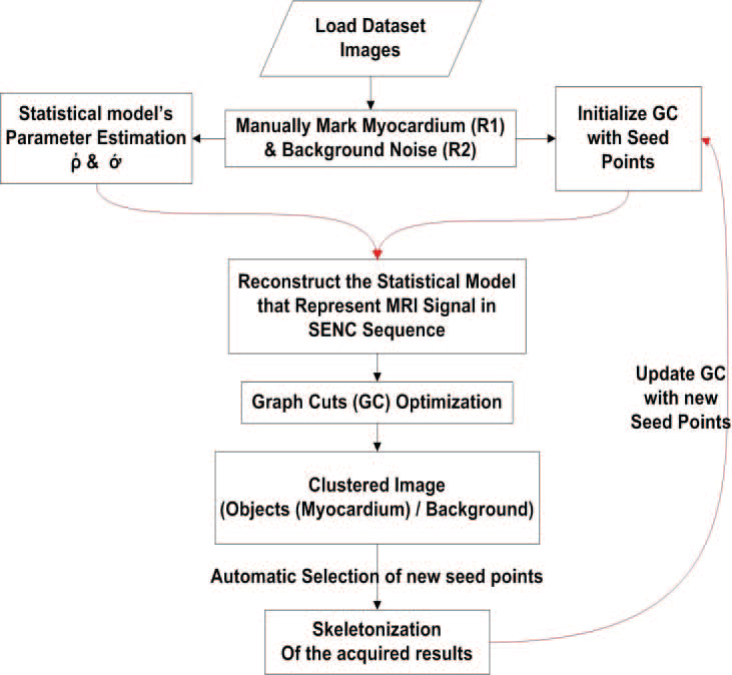
Segmentation of strain-encoded magnetic resonance images using graph-cuts
Imaging of the heart anatomy and function using Strain Encoded (SENC) magnetic resonance imaging (MRI) is a powerful tool for diagnosing a number of heart diseases. Despite excellent sensitivity to tissue deformation, the technique inherently suffers from elevated noise level which hinders proper automatic segmentation using conventional techniques. In this work, we propose a method to accurately segment the left ventricle myocardium from strain encoded-MR short axis images. The method is based on a modified formulation of the graph cuts algorithm. A novel cost function based on a
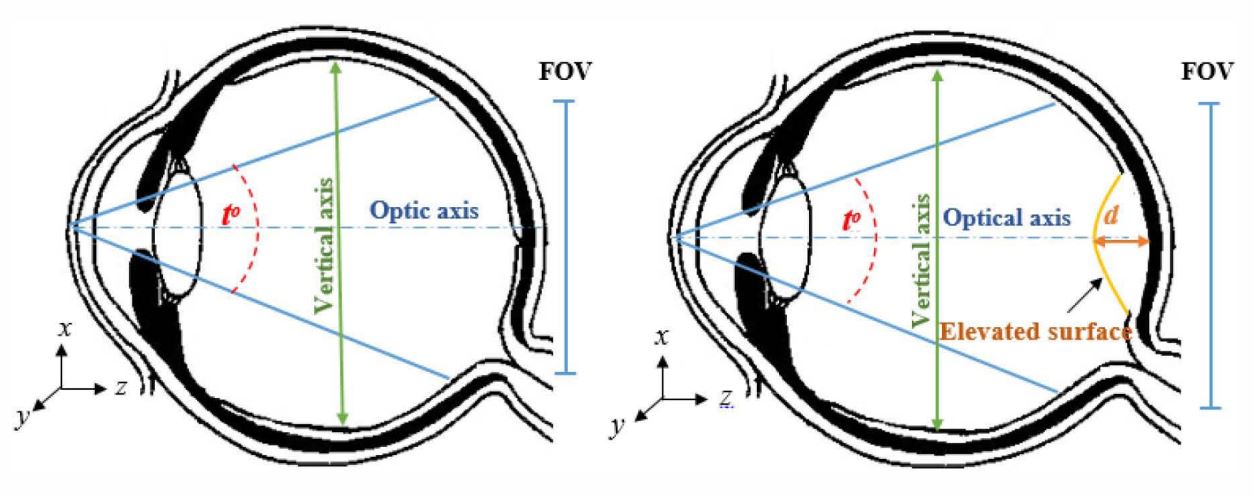
Error analysis of fundus image registration using quadratic model transfformation
Based registration of retinal images proved to be very successful especially for minimally overlapping images. The most commonly used transformation method uses a quadratic model to represent the geometry of the retinal surface. Although this model has been used for more than one decade, there is no literature that studies the model errors for abnormal eye geometries. In this work, we present a study of the registration errors of the quadratic model in case of diseased eyes. The study includes two basic models of the retinal surface for eyes suffering from: myopia; and retinal diseases (e.g
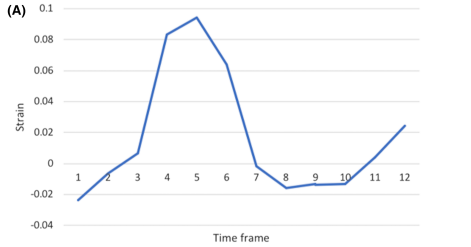
Detecting liver fibrosis using a machine learning-based approach to the quantification of the heart-induced deformation in tagged MR images
Liver disease causes millions of deaths per year worldwide, and approximately half of these cases are due to cirrhosis, which is an advanced stage of liver fibrosis that can be accompanied by liver failure and portal hypertension. Early detection of liver fibrosis helps in improving its treatment and prevents its progression to cirrhosis. In this work, we present a novel noninvasive method to detect liver fibrosis from tagged MRI images using a machine learning-based approach. Specifically, coronal and sagittal tagged MRI imaging are analyzed separately to capture cardiac-induced deformation