
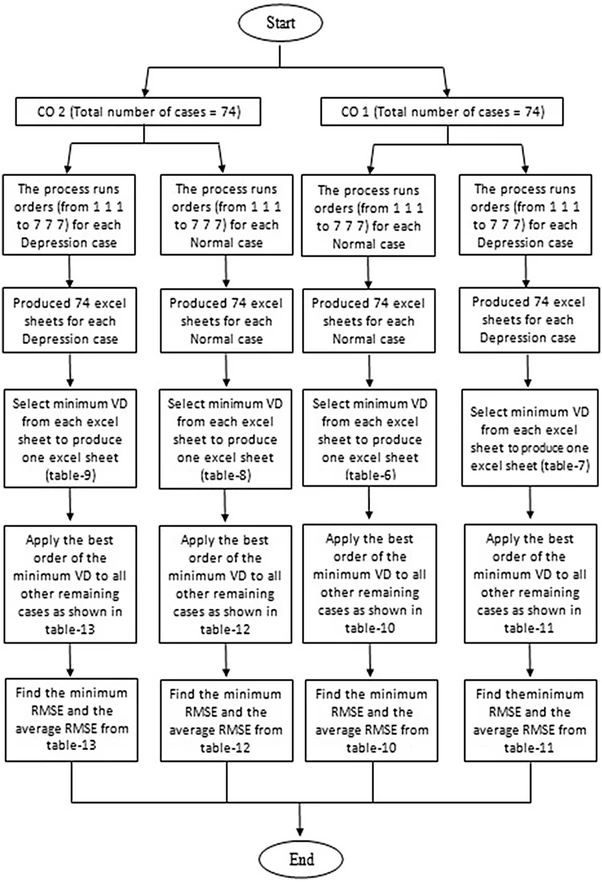
Nonlinear single-input single-output model-based estimation of cardiac output for normal and depressed cases
Mental depression is associated with an increased risk of cardiovascular mortality, thus provisioning generic simple nonlinear mathematical models for normal and depressed cases using only heart rate (HR) or stroke volume (SV) as a single input to produce cardiac output (CO) as a single output instead of using both HR and SV as two inputs. The proposed models could be in the future an effective tool to investigate the effect of neuroleptic medication, especially depression, and it reduces the time of processing. Seventy-four depressed cases, 74 normal peers and autoregressive considered as a
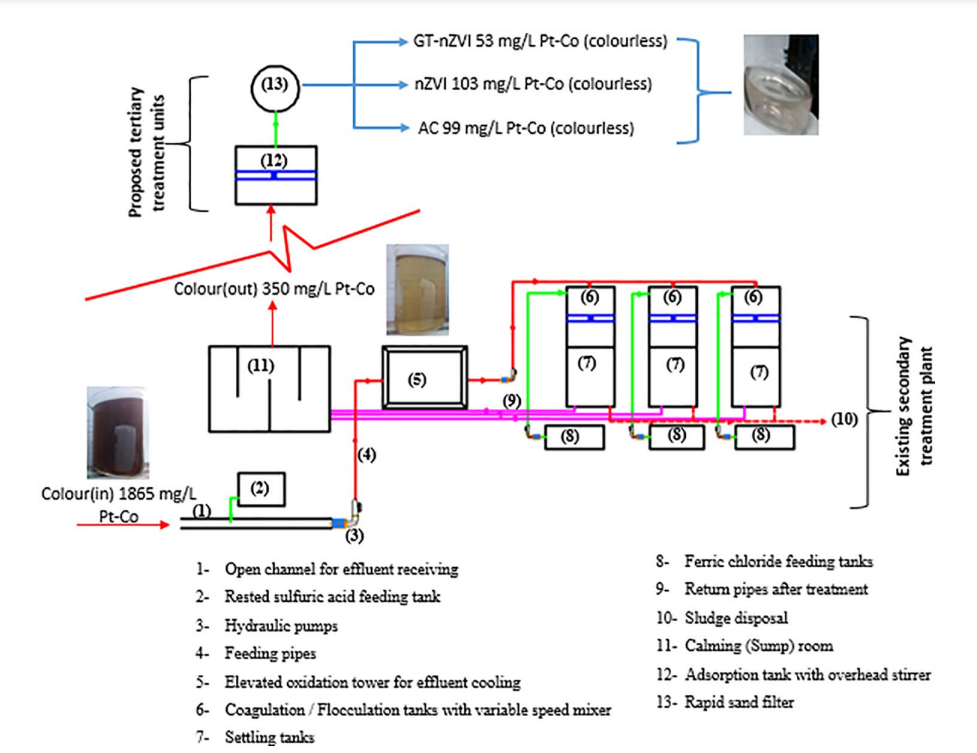
Comparative Studies of Using Nano Zerovalent Iron, Activated Carbon, and Green Synthesized Nano Zerovalent Iron for Textile Wastewater Color Removal Using Artificial Intelligence, Regression Analysis, Adsorption Isotherm, and Kinetic Studies
Daily, a big extent of colored, partially treated textile effluents drained into the sanitation systems causing serious environmental concerns. Therefore, the decolorization treatment process of wastewater is crucial to improve effluent quality. In the present study, 3 different sorbent materials, nano zerovalent iron (nZVI), activated carbon (AC), and green-synthesized nano zerovalent iron (GT-nZVI), have been prepared for raw textile wastewater decolourization. The prepared nanomaterials were characterized via X-ray diffraction (XRD) spectroscopy, scanning electron microscopy (SEM), energy
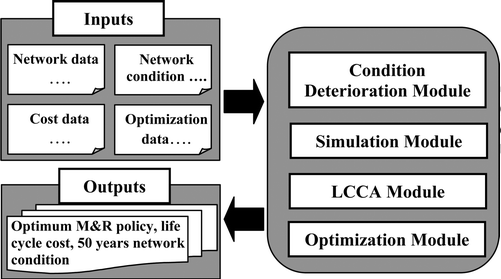
Multiobjective optimisation algorithm for sewer network rehabilitation
Understanding of deterioration mechanisms in sewers helps asset managers in developing prediction models for estimating whether or not sewer collapse is likely. Effective utilisation of deterioration prediction models along with the development and use of life cycle maintenance cost analysis contribute to reducing operation and maintenance costs in sewer systems. This article presents a model for life-cycle maintenance planning of deteriorating sewer network as a multi-objective optimisation problem that treats the sewer network condition and service life as well as life-cycle maintenance cost
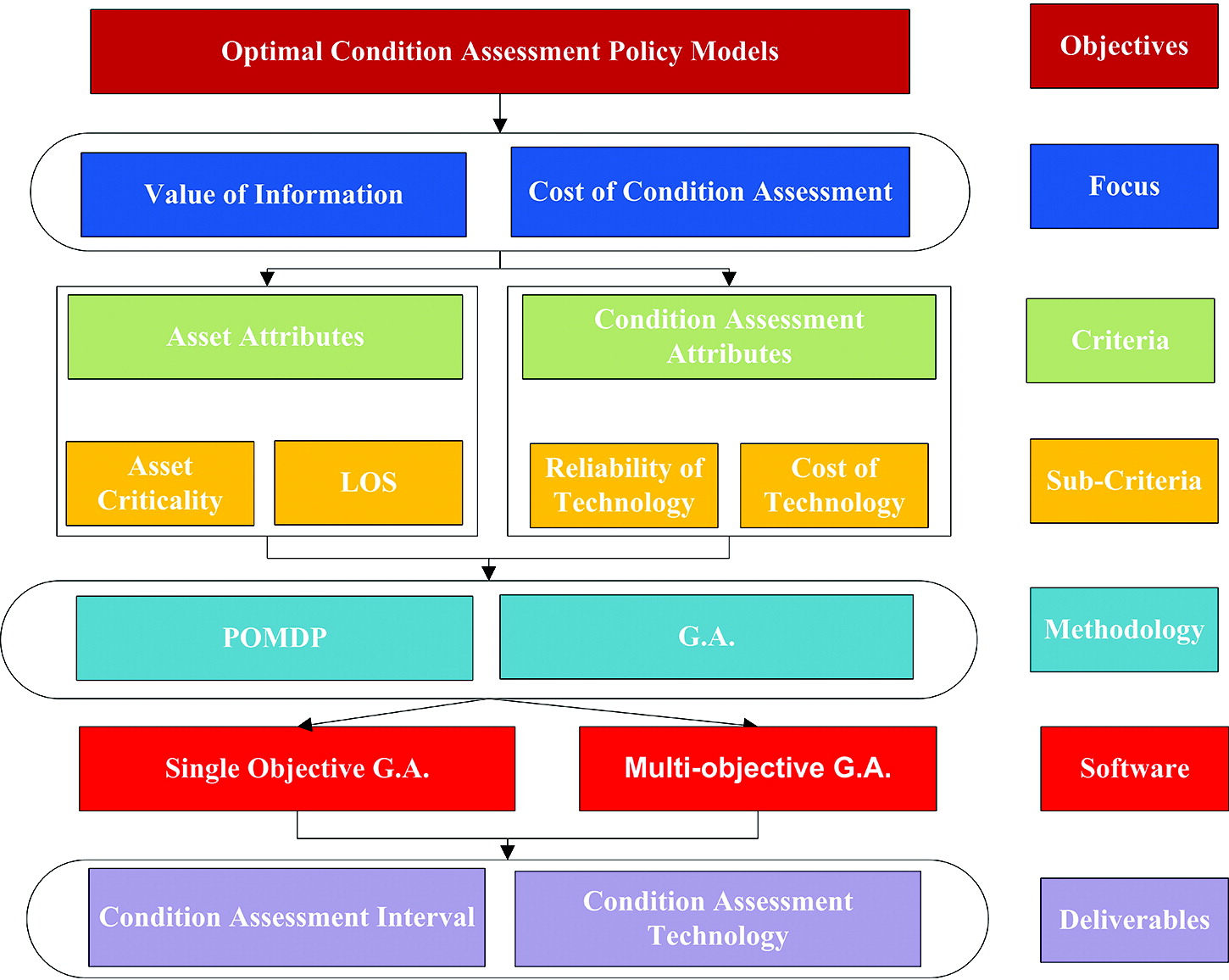
Multiobjective genetic algorithm to allocate budgetary resources for condition assessment of water and sewer networks
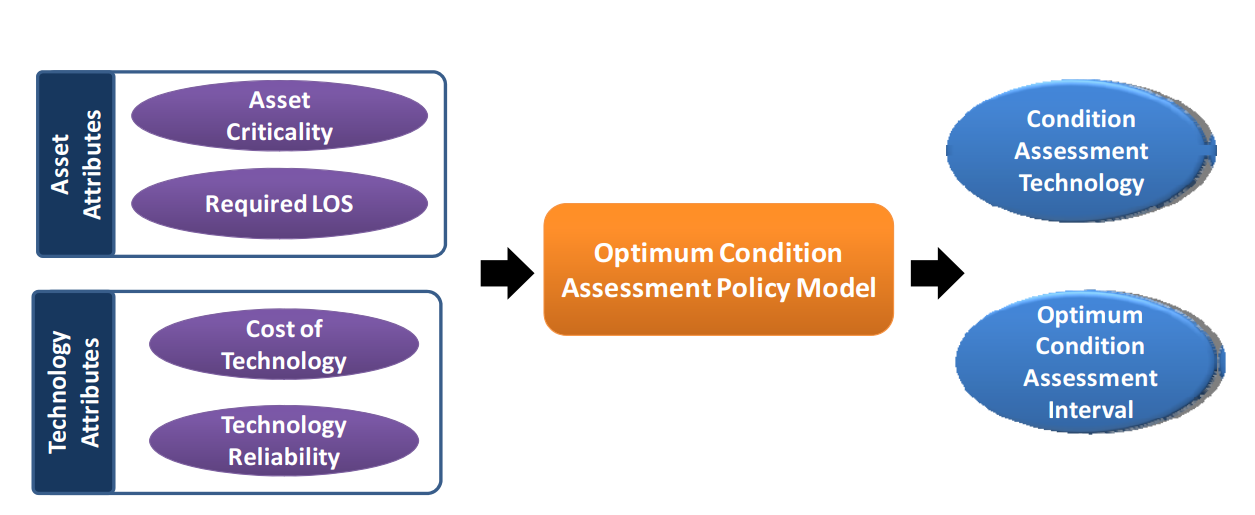
This paper presents a framework for optimizing condition assessment policies by balancing the revealed value of information with the cost of obtaining such information. The computational platform is based on augmenting the asset condition state with an expected level of accuracy. Inaccuracies due to condition assessment reliability are evaluated using the partially observable Markov decision process. The single objective genetic algorithm is used to select the most cost-effective assets to assess considering information inaccuracy under a fixed budget. The model is extended using
Towards optimum condition assessment policies for water and sewer networks
With ageing water and sewer infrastructure in North America, assessing the condition of these assets has received increased attention in the past few years. Condition assessment is an integral component in any asset management program. Determining the condition of buried infrastructure tends to be more cumbersome, costly and error-prone compared to other surface infrastructure like roads and buildings. For sewers, CCTV is considered the industry standard for condition assessment technologies. For pressurized water pipelines, technologies tend to be more costly and uncertain (e.g
Fractional Order Sliding Mode PID Controller/Observer for Continuous Nonlinear Switched Systems with PSO Parameter Tuning
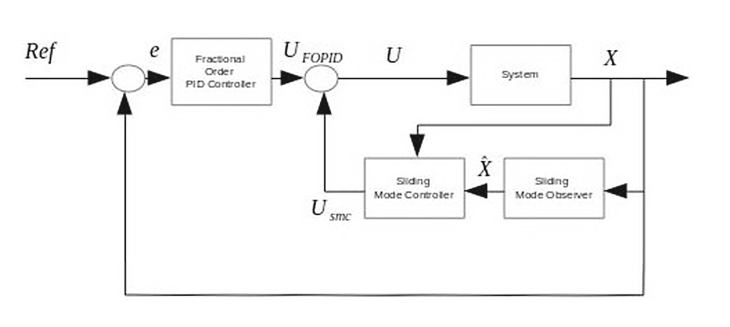
In this article a fractional order sliding mode PID controller and observer for the stabilization of continuous nonlinear switched systems is proposed. The design of the controller and observer is done following the separation principle, this means that the observer and controller are designed in a separate fashion, so a hybrid controller is implemented by designing the sliding mode controller part using an integral sliding mode surface along with a PIλDμ controller part which is the fractional order PID controller that is implemented to stabilizes the system. For the observer part, an
Fractional Order Two Degree of Freedom PID Controller for a Robotic Manipulator with a Fuzzy Type-2 Compensator
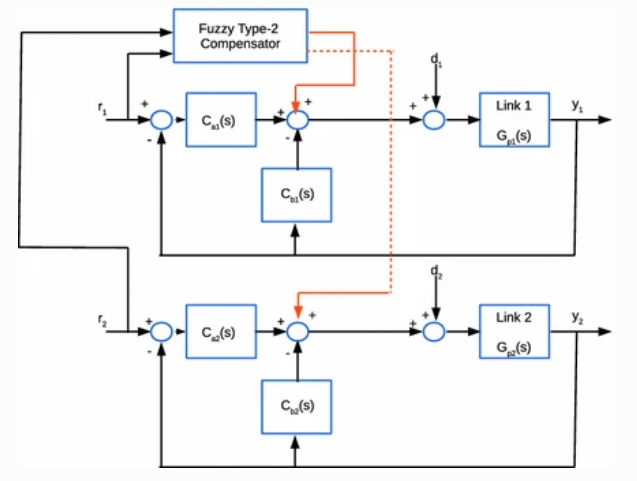
In this paper a novel strategy for the position control and trajectory tracking of robotic manipulators is proposed. This strategy consists of an independent two degree of freedom PID controller for a two links robotic arm. Due to the capability of two degree of freedom PID controllers to deal with disturbances, each link is controlled independently considering that the disturbance does not affect the system performance due to the robustness of the closed loop system. Then, a fuzzy type-2 centralized compensator is implemented to drive the orientation variables with the desired trajectory in
Optimizing budget allocation for condition assessment of water and sewer infrastructures
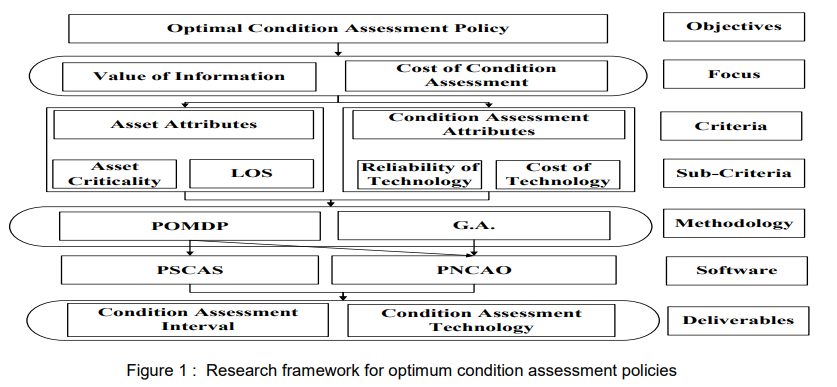
Much research has focused on the development of optimal strategies for rehabilitation and replacement of water and sewer infrastructures. Condition assessment is an integral component in any asset management program for assessing the asset physical condition. Determining the condition of buried infrastructure tends to be cumbersome, costly and error-prone. As such, decision makers must balance the value of obtained information through condition assessments with the cost of obtaining this information. Such decisions must balance between conflicting needs and need to consider the sought level of
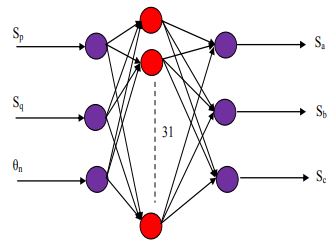
Neural Network Based Switching State Selection for Direct Power Control of Three Phase PWM-Rectifier
This article proposes an intelligent approach to the Direct Power Control technique of the PWM rectifier, this control technique improves the performance of PWM converter, called Direct Power Control Based on Artificial Neural Network (ANN), applied for the selection of the optimal control vector. DPC-ANN ensures smooth control of active and reactive power in all Sectors and reduces current ripple. Finally, the developed DPC was tested by simulation, the simulation results proved the excellent performance of the proposed DPC scheme. © 2018 IEEE.
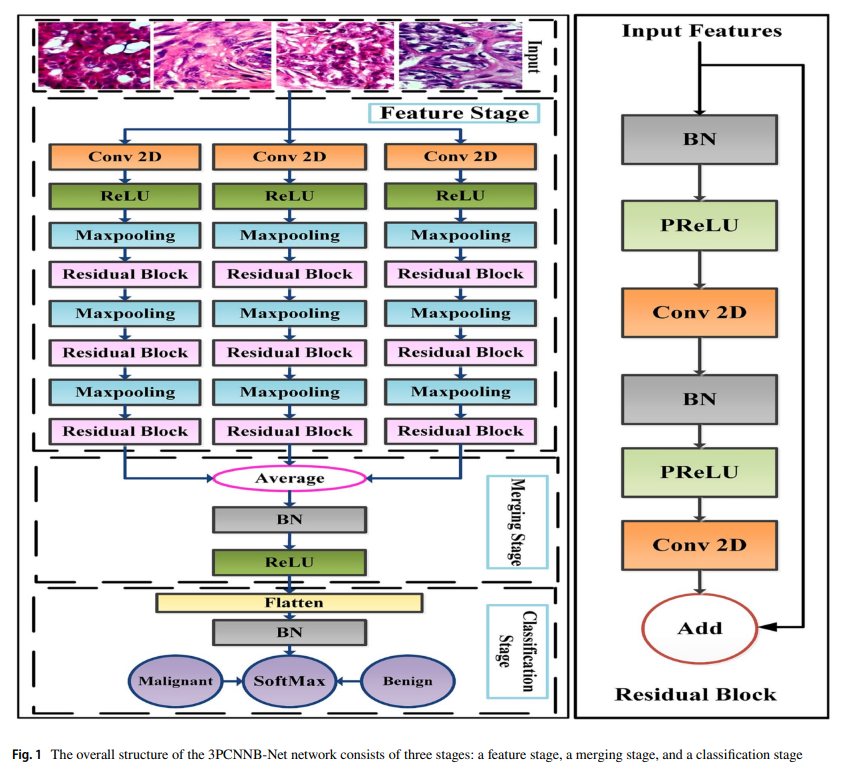
3PCNNB-Net: Three Parallel CNN Branches for Breast Cancer Classification Through Histopathological Images
Purpose: Diagnosis of breast tumors using histopathological imaging is considered a difficult task. Oncologists may have different opinions on how to use this imaging technique to diagnose tumors. This technique requires classification experience owing to the contrasting appearance caused by tissue preparation, staining processes, and disease heterogeneity. Cancerous breast tissues are classified into malignant and benign tumors according to cell diversity and density. Computer-aided diagnosis (CAD) helps oncologists improve breast tumor diagnosis efficiently and accurately while saving time