

Natural products and long noncoding RNA signatures in gallbladder cancer: a review focuses on pathogenesis, diagnosis, and drug resistance
Gallbladder cancer (GBC) is an aggressive and lethal malignancy with a poor prognosis. Long noncoding RNAs (lncRNAs) and natural products have emerged as key orchestrators of cancer pathogenesis through widespread dysregulation across GBC transcriptomes. Functional studies have revealed that lncRNAs interact with oncoproteins and tumor suppressors to control proliferation, invasion, metastasis, angiogenesis, stemness, and drug resistance. Curcumin, baicalein, oleanolic acid, shikonin, oxymatrine, arctigenin, liensinine, fangchinoline, and dioscin are a few examples of natural compounds that
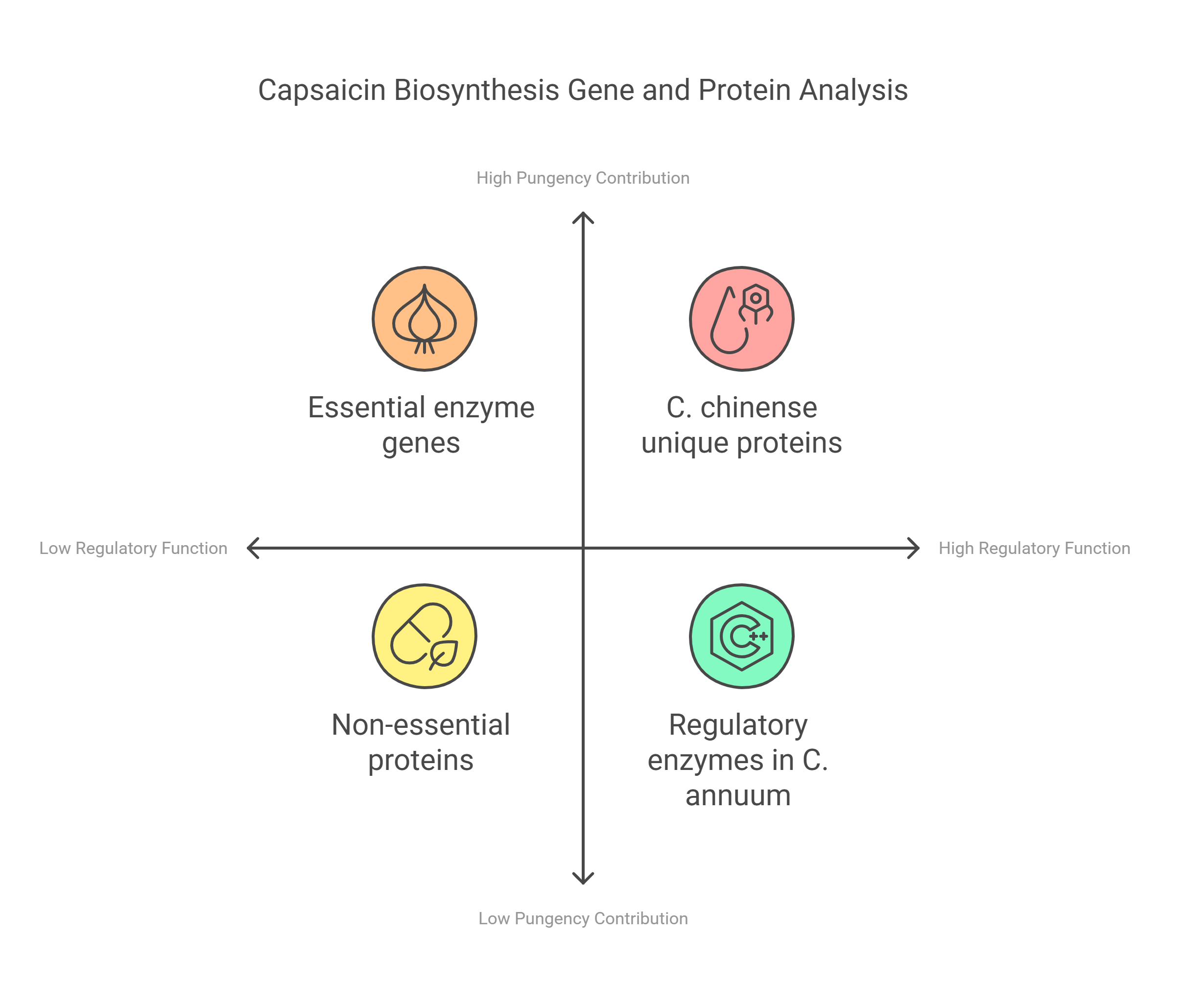
Comparative genomics and proteomics analysis on Capsicum species reveals insights about the capsaicin biosynthesis
Capsaicin is the primary capsaicinoid compound responsible for the spiciness of chilli peppers. Several known and unknown genes synthesize capsaicin through various metabolic pathways, such as the phenylpropanoid or the L-valine metabolism pathways. We conducted comprehensive comparative genomics and proteomics analyses to identify genes and proteins associated with the capsaicin pathway in Capsicum chinense, Capsicum baccatum and the two C.annuum cultivars, CM334 and ECW. A BLAST search against the NCBI database identified 26 and 58 enzyme genes and proteins, respectively. These enzyme genes
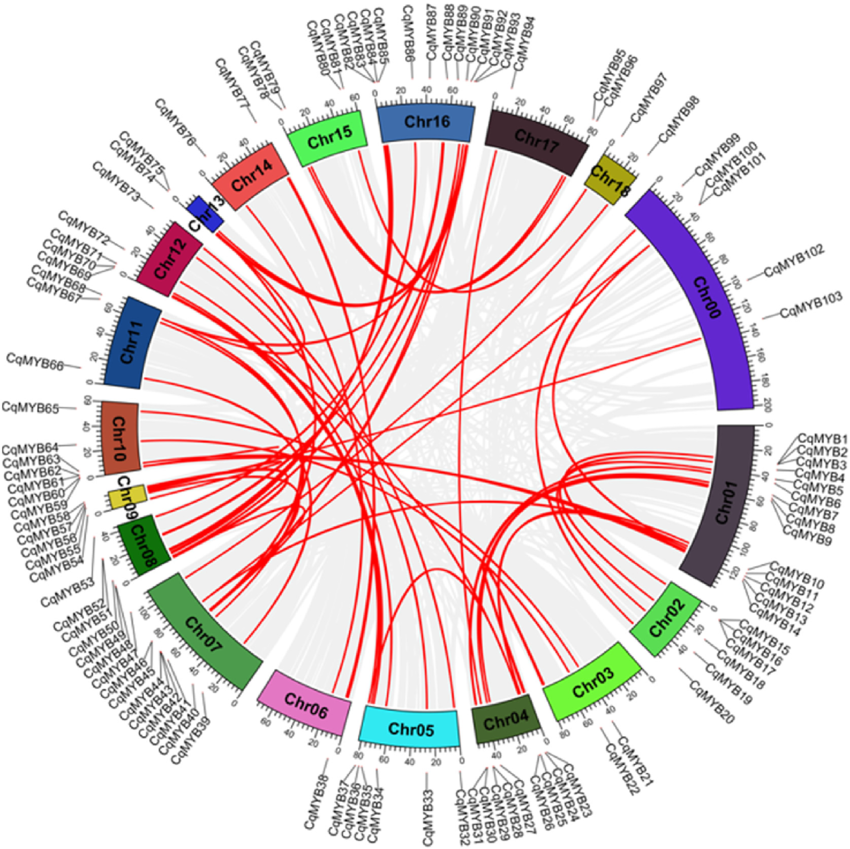
Genome-wide identification, phylogeny and expression analysis of the R2R3-MYB gene family in quinoa (Chenopodium quinoa) under abiotic stress
The MYB transcription factor (TF) are among the largest gene families of plants being responsible for several biological processes. The R2R3-MYB gene family are integral player regulating plant primary and secondary metabolism, growth and development, and responses to hormones and stresses. The phylogenetic analysis combined with gene structure analysis and motif determination resulted in division of R2R3-MYB gene family into 27 subgroups. Evidence generated from synteny analyses indicated that CqR2R3-MYBs gene family is featured by tandem and segmental duplication events. On the basis of RNA
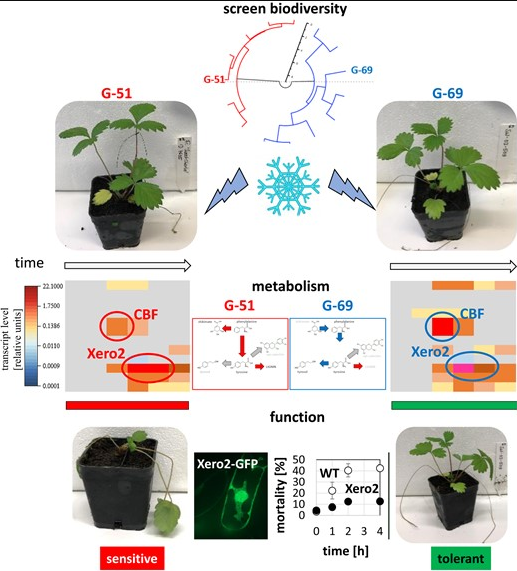
Cold tolerance of woodland strawberry (Fragaria vesca) is linked to Cold Box Factor 4 and the dehydrin Xero2
Domesticated strawberry is susceptible to sudden frost episodes, limiting the productivity of this cash crop in regions where they are grown during early spring. In contrast, the ancestral woodland strawberry (Fragaria vesca) has successfully colonized many habitats of the Northern Hemisphere. Thus, this species seems to harbour genetic factors promoting cold tolerance. Screening a germplasm established in the frame of the German Gene Bank for Crop Wild Relatives, we identified, among 70 wild accessions, a pair with contrasting cold tolerance. By following the physiological, biochemical
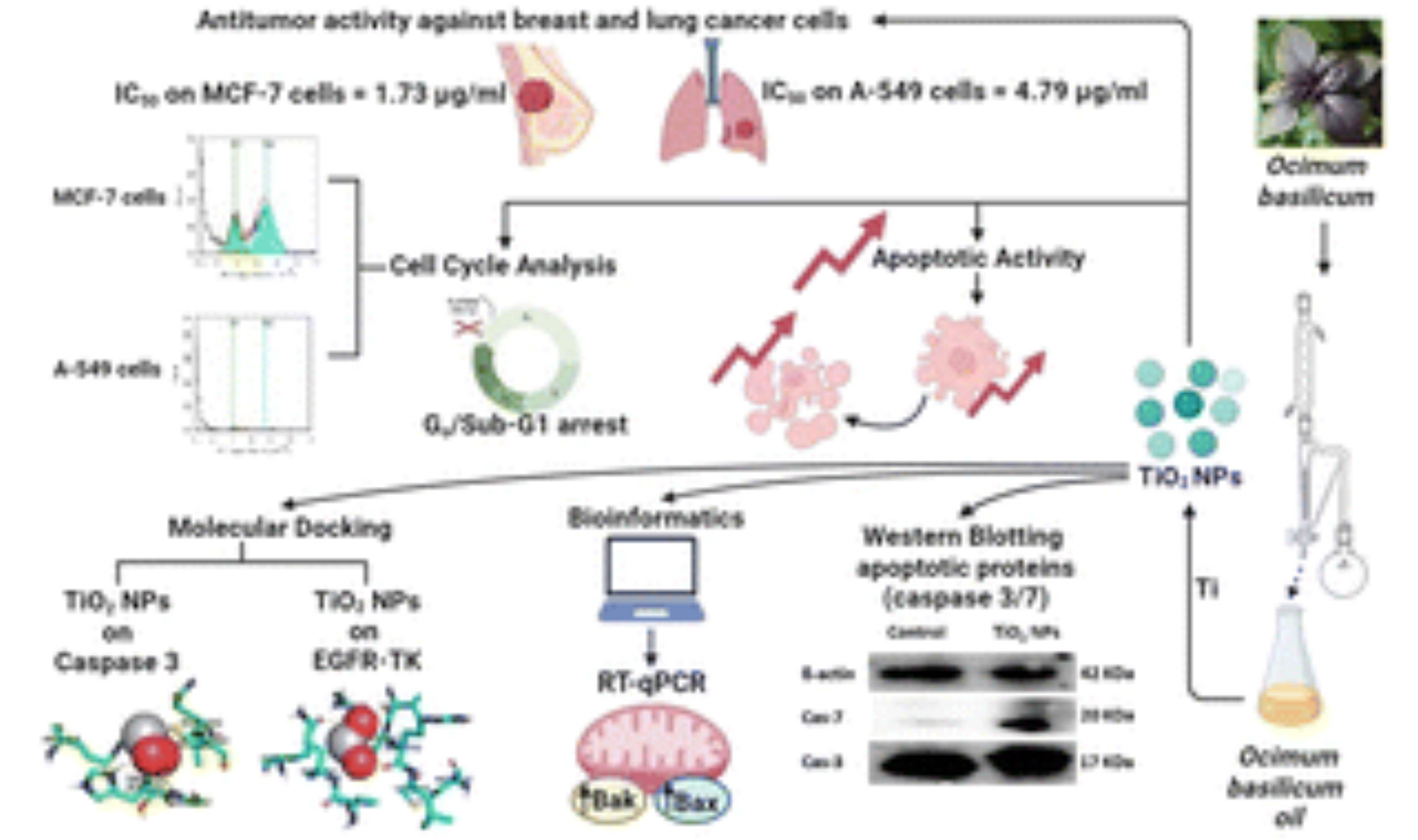
Facile sonochemically-assisted bioengineering of titanium dioxide nanoparticles and deciphering their potential in treating breast and lung cancers: biological, molecular, and computational-based investigations
Combining sonochemistry with phytochemistry is a modern trend in the biosynthesis of metallic nanoparticles (NPs), which contributes to the sustainability of chemical processes and minimizes hazardous effects. Herein, titanium dioxide (TiO2) NPs were bioengineered using a novel and facile ultrasound-assisted approach utilizing the greenly extracted essential oil of Ocimum basilicum. FTIR and UV-Vis spectrophotometry were used to confirm the formation of TiO2 NPs. The X-ray diffraction (XRD) analysis showed the crystalline nature of TiO2 NPs. TEM analysis revealed the spherical morphology of
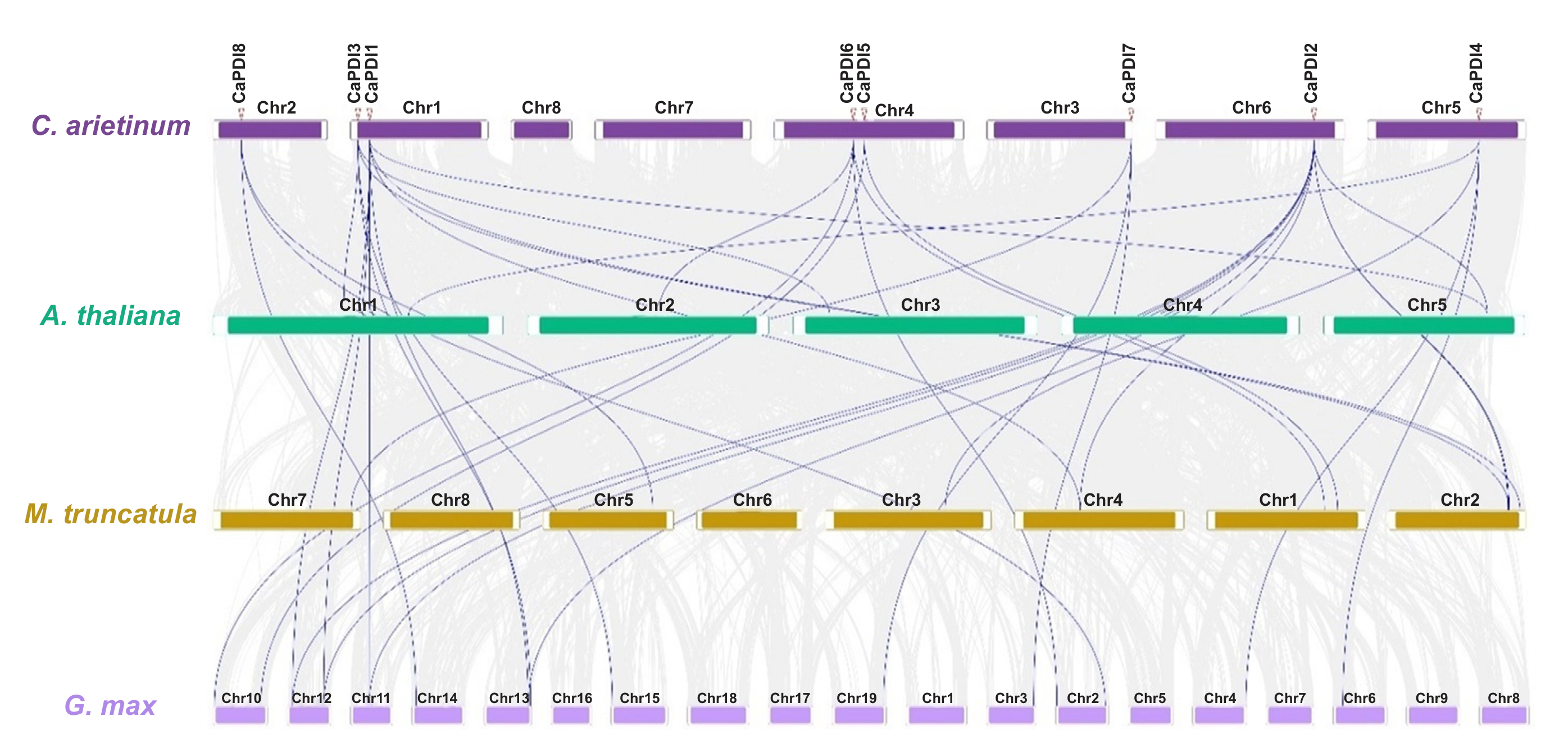
Genome-wide analysis and expression divergence of protein disulfide isomerase (PDI) gene family members in chickpea (Cicer arietinum) under salt stress
Chickpea (Cicer arietinum) is a grain crop that is an important source of protein, vitamins, carbohydrates and minerals. It is highly sensitive to salt stress, and salt damage to cellular homeostasis and protein folding affects production. Plants have several mechanisms to prevent cellular damages under abiotic stresses, such as proteins in the endoplasmic reticulum (protein isulfide somerases (PDIs) and PDI-like proteins), which help prevent the build-up of mis-folded proteins that are damaged under abiotic stresses. In this study, we completed initial comprehensive genome-wide analysis of
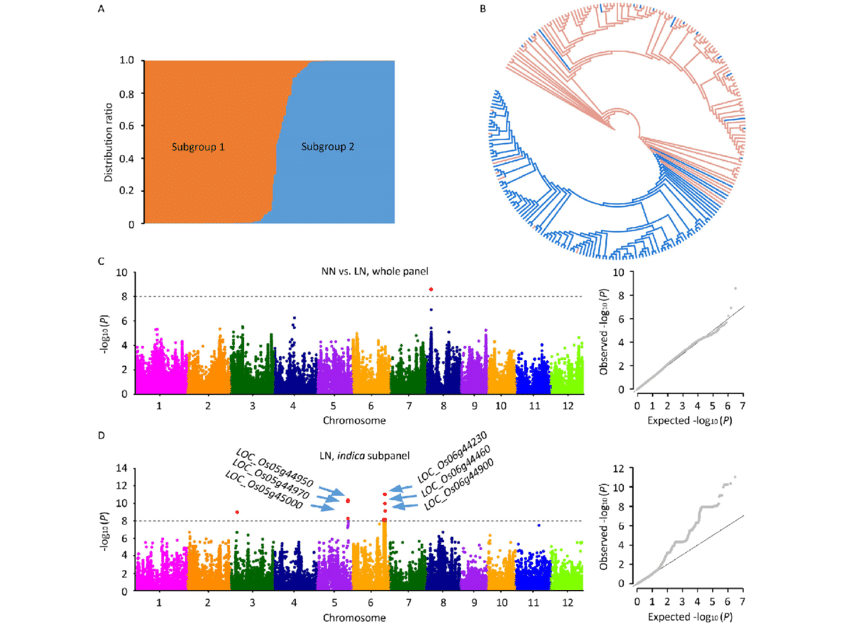
Identification of Candidate Genes for Rice Nitrogen Use Efficiency by Genome-wide Association Analysis; [全基因组关联分析(GWAS)鉴定水稻氮素利用效率候选基因]
【Objective】 The exploration of germplasm and gene resources in rice for high nitrogen efficiency, along with the elucidation of their molecular mechanisms and genetic effects, represents a significant focus and goal within current research efforts on rice nitrogen use efficiency (NUE).【Method】 To identify the variant loci and candidate genes associated with rice NUE, we collected 190 Asian rice accessions as an association population. After thorough filtering and screening, we obtained 3, 934, 195 high-quality single nucleotide polymorphisms (SNPs). Under field conditions, two nitrogen
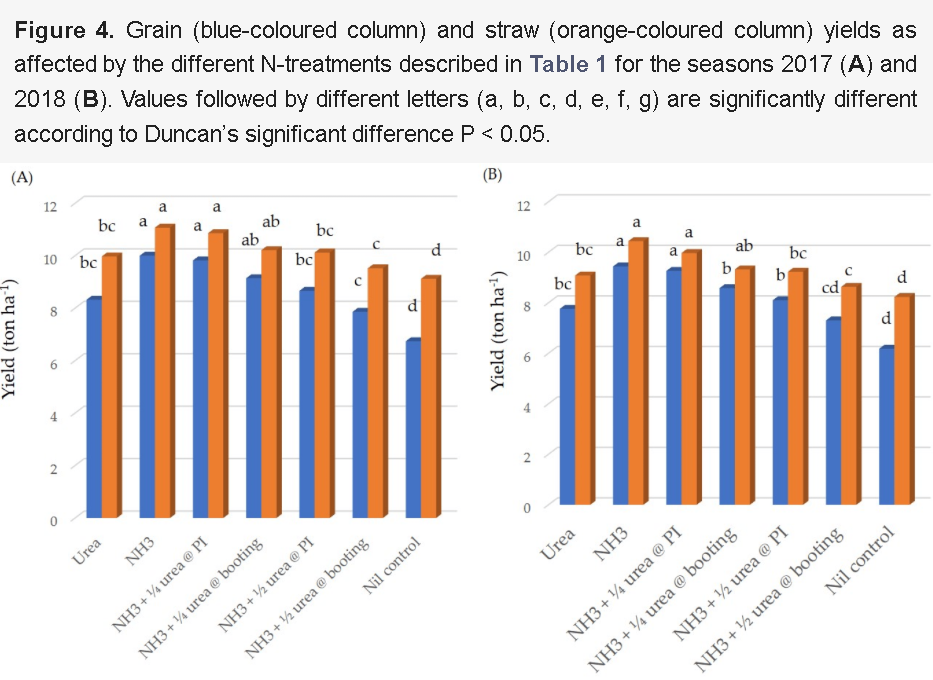
Injected Anhydrous Ammonia Is More Effective Than Broadcast Urea as a Source of Nitrogen for Drill Seeded Rice
Anhydrous ammonia is a cheaper source of nitrogen (N) fertiliser than granular urea for rice production, but it is not widely used in developing countries. It can only be applied pre-crop with any in-crop applications being applied in the form of urea. This 2-year study conducted in the Nile delta region of Egypt compared pre-crop anhydrous ammonia injected to a depth of 20 cm with broadcast urea as N sources for rice, along with 4 combinations of pre-crop ammonia and in-crop urea. Each treatment supplied a total of 165 kg N/ha. The rice crop was direct seeded rather than transplanted. The
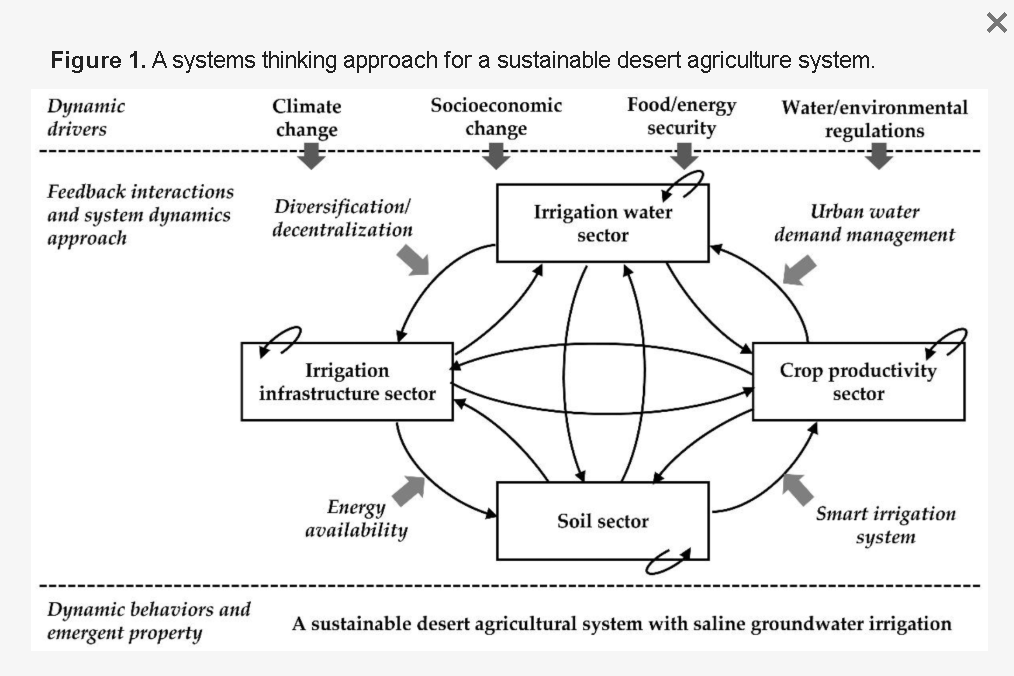
Systems Thinking for Planning Sustainable Desert Agriculture Systems with Saline Groundwater Irrigation: A Review
Agricultural land expansion is a solution to address global food security challenges in the context of climate change. However, the sustainability of expansion in arid countries is difficult because of scarce surface water resources, groundwater salinity, and the health of salt-affected soil. Developing expansion and sustainability plans for agriculture requires systems thinking, considering the complex feedback interactions between saline groundwater, salt-affected soil, plant growth, freshwater mixing with saline groundwater, irrigation systems, and the application of soil amendments to
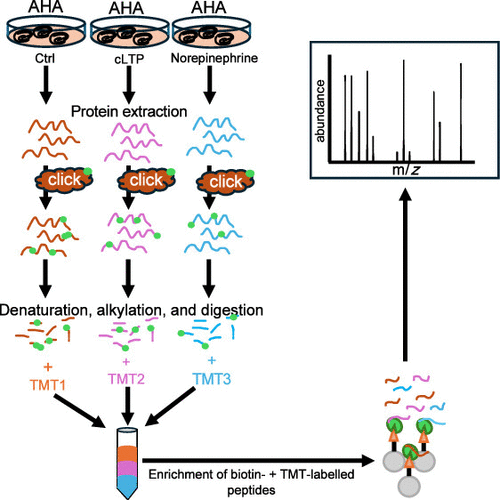
DiDBiT-TMT: A Novel Method to Quantify Changes in the Proteomic Landscape Induced by Neural Plasticity
Direct detection of biotinylated proteins (DiDBiT) is a proteomic method that can enrich and detect newly synthesized proteins (NSPs) labeled with bio-orthogonal amino acids with 20-fold improved detectability compared to conventional methods. However, DiDBiT has currently been used to compare only two conditions per experiment. Here, we present DiDBiT-TMT, a method that can be used to quantify NSPs across many conditions and replicates in the same experiment by combining isobaric tandem mass tagging (TMT) with DiDBiT. We applied DiDBiT-TMT to brain slices to determine changes in the de novo