
Air change rate effects on the airborne diseases spreading in Underground Metro wagons
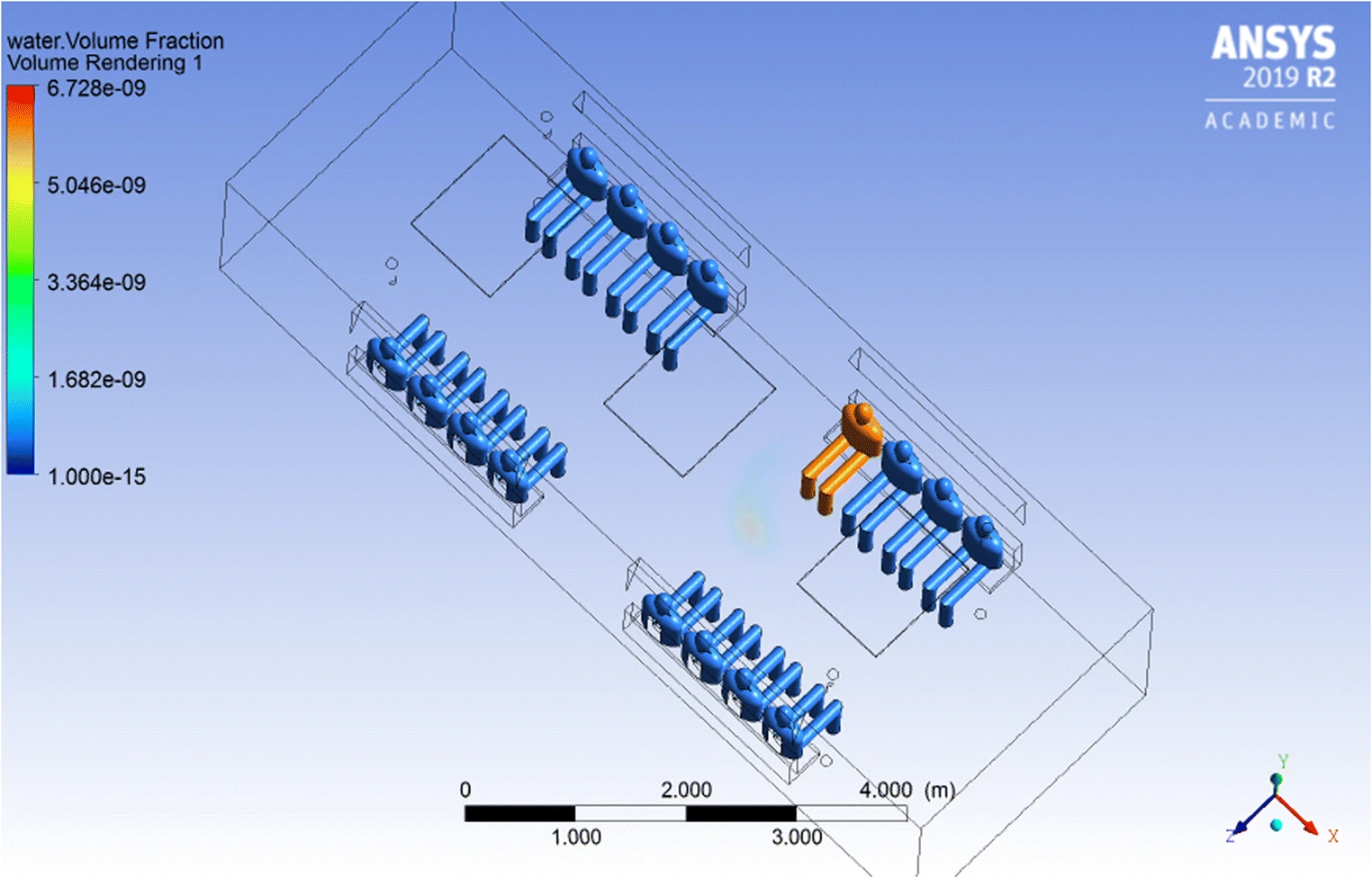
The effect of the rate of change of fresh air inside passengers’ wagons for Underground Metro on the spreading of airborne diseases like COVID-19 is investigated numerically. The study investigates two extreme scenarios for the location of the source of infection within the wagon with four different air change rates for each. The first scenario considers the source of infection at the closest point to the ventilation system while the other places the infection source at the farthest point from the wagon ventilation system. The effect of the wagon windows’ status (i.e. closed or open) is also
Regression Modeling for the Ventilation Effect on COVID-19 Spreading in Metro Wagons
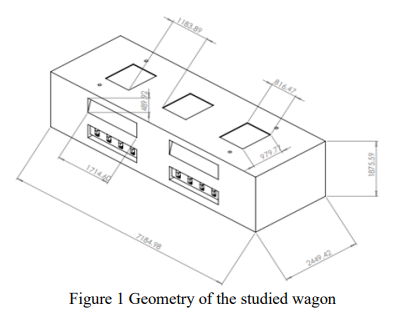
The effect of different ventilation parameters on the infection potential of COVID-19 in a metro wagon is numerically studied. Two key indicators are used to quantify this potential. Based on the numerical results a regression analysis is performed to come up with the most suitable regression model for these key parameters. The proposed regression models are helpful in quantifying the infection risk at different ventilation scenarios. © 2021 IEEE.
Numerical investigation of hematocrit variation effect on blood flow in an arterial segment with variable stenosis degree
Numerical simulations of blood flow in arteries are important in the understanding and diagnosis of many cardiovascular diseases, such as atherosclerosis and arterial stenosis. More realistic mathematical models representing blood rheology offer a better understanding of these diseases. In this study, blood is considered an Oldroyd-B fluid with a shear-thinning property and a shear rate-dependent relaxation time that is adopted by fitting experimental data. The Quemada model is used to represent the shear-thinning property with hematocrit variation. The stabilized finite element method is used
Centralized Multi-agent Mobile Robots SLAM and Navigation for COVID-19 Field Hospitals
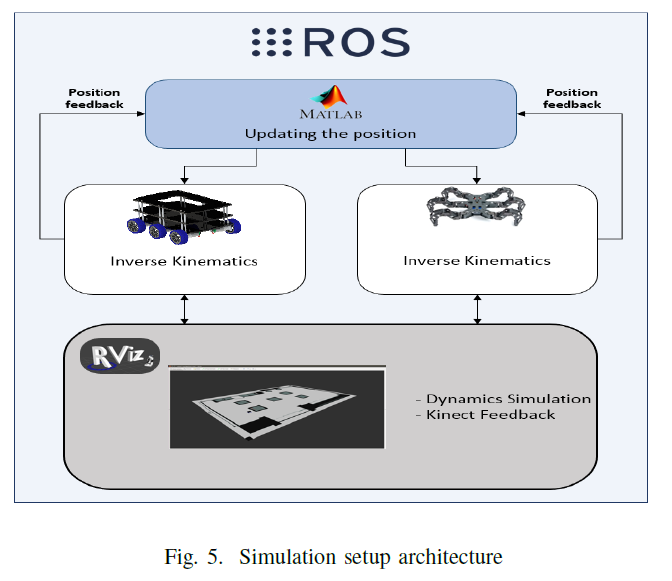
In this paper we focus on the proof of concept prototype of fully autonomous centralized Multi-Robot System (MRS) consisting of a Hexapod walking robot and a six wheeled mobile robot. Recently, there has been an increasing demand for such systems as they can be involved in several tasks such as collaborative search and rescue, surveillance, monitoring, and disinfecting Field hospitals. To name a few, COVID-19 pandemic showed the weak points in the medical sector around the world, including those in the most advanced nations that had to go through hard decisions due to the lack of medical
An analytical model for the effective filtration efficiency of single and multiple face masks considering leakage
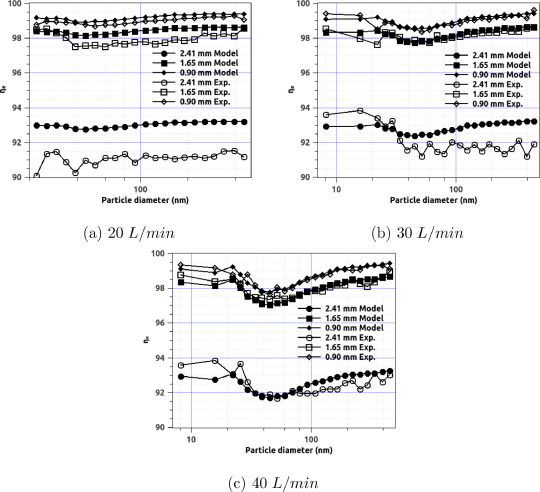
An analytical model for the filtration efficiency of face masks is developed. The model considers the effect of gap leakage due to the improper fitting of the face mask in the reduction of the effective filtration efficiency. The model is also extended to include the case with multiple face masks. The model results are verified using experimental data from literature. It is shown that the adverse effect of the gap leakage depends on the face mask filtration and leakage characteristics. It is also shown that wearing more than one face mask might not always be beneficial in some scenarios
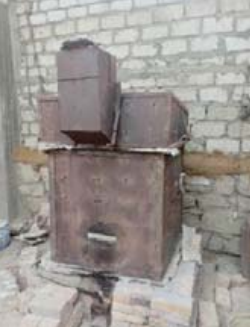
Cold flow numerical simulation inside local pottery furnace for different designs for the air inlet
One of the many pleasures of living in Egypt is having the opportunity to visit places like a village called Tunis in El-Fayoum governorate which is a touristic village and export art and handicraft such as Pottery for 3-4 decades. The clay processing in the traditional pottery industry contains several stages. The process and quality of the pottery have to be improved to reduce pollution and the manufacturing round time which could be done through improving the heating process. Towards this goal, turbulent three-dimensional numerical simulations for the in-use air inlet and a modified design
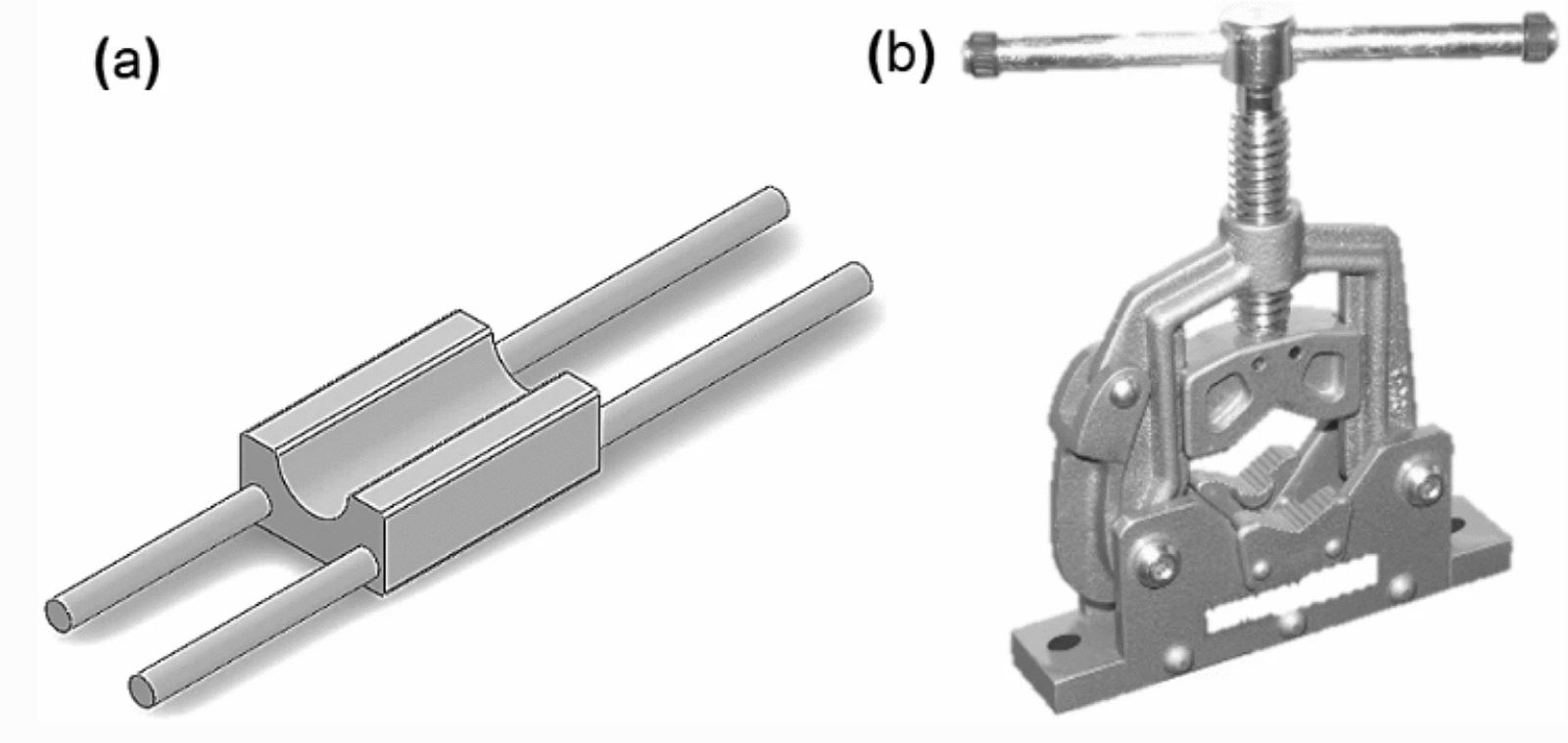
Ergonomic analysis of a working posture in steel industry in Egypt using digital human modeling
This study presents solutions for improving a bending awkward posture in steel industry in Egypt using digital Human Modeling (DHM). The information is gathered by interviewing the workers, working postures are recorded via a video camera while the worker is performing his usual work. The postures are analyzed using DHM software. Porter comfort analysis and Rapid Upper Limb Assessment are applied for postures analysis. The analysis shows high levels of discomfort in neck, trunk, leg and forearm. These discomforts could cause permanent injuries over long periods. A modified design is proposed
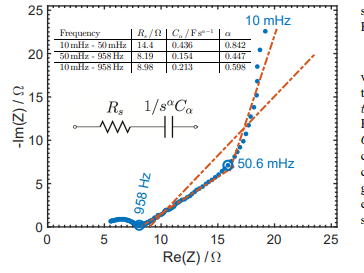
Further experimental evidence of the fractional-order energy equation in supercapacitors
Due to the dispersive porous nature of its material, carbon–carbon supercapacitors have a current–voltage relationship which is modeled by a fractional-order differential equation of the form i(t)=Cα[Formula presented] where α≤1 is a dispersion coefficient and Cα is a pseudo-capacitance not measurable in Farads. Hence, the energy stored in a capacitor, known to equal CV2/2 where C is the capacitance in Farad and V is the voltage applied, does not apply to a supercapacitor. In a recent work (Allagui et al., 2016), a fractional-order energy equation that enables the quantification of the energy
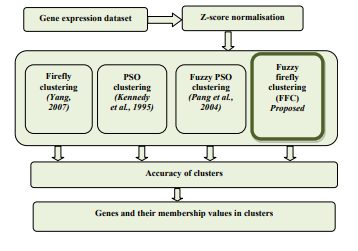
Fuzzy firefly clustering for tumour and cancer analysis
Swarm intelligence represents a meta-heuristic approach to solve a wide variety of problems. Searching for similar patterns of genes is becoming very essential to predict the expression of genes under various conditions. Firefly clustering inspired by the behaviour of fireflies helps in grouping genes that behave alike. Contrasting hard clustering methodology, fuzzy clustering assigns membership values for every gene and predicts the possibility of belonging to every cluster. To distinguish highly expressed and suppressed genes, the research in this paper proposes an efficient fuzzy-firefly
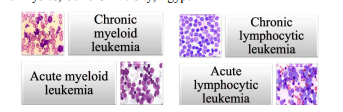
Fractional-order mathematical model for Chronic Myeloid Leukaemia
This paper is dedicated to develop a fractional order model of the rate of change of cancerous blood cells in Chronic Myeloid Leukaemia using fractional-order differential equations as well as tackling the factors that affect this rate and compare between them. The simulated cases (using MATLAB) prove that the proposed model is doable in terms of the variables positions in the equations and its effect on the overall population. Also, the effect of the Pactional order is investigated through three parameters sets and it has shown strong influence on the dynamic response. © 2017 IEEE.