
A GPU-enabled solver for time-constrained linear sum assignment problems
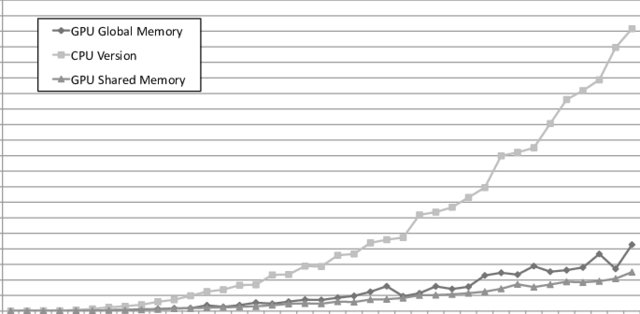
This paper deals with solving large instances of the Linear Sum Assignment Problems (LSAPs) under realtime constraints, using Graphical Processing Units (GPUs). The motivating scenario is an industrial application for P2P live streaming that is moderated by a central tracker that is periodically solving LSAP instances to optimize the connectivity of thousands of peers. However, our findings are generic enough to be applied in other contexts. Our main contribution is a parallel version of a heuristic algorithm called Deep Greedy Switching (DGS) on GPUs using the CUDA programming language. DGS
A study about using a cognitive agent in replacing level 1 and 2 service desk activities
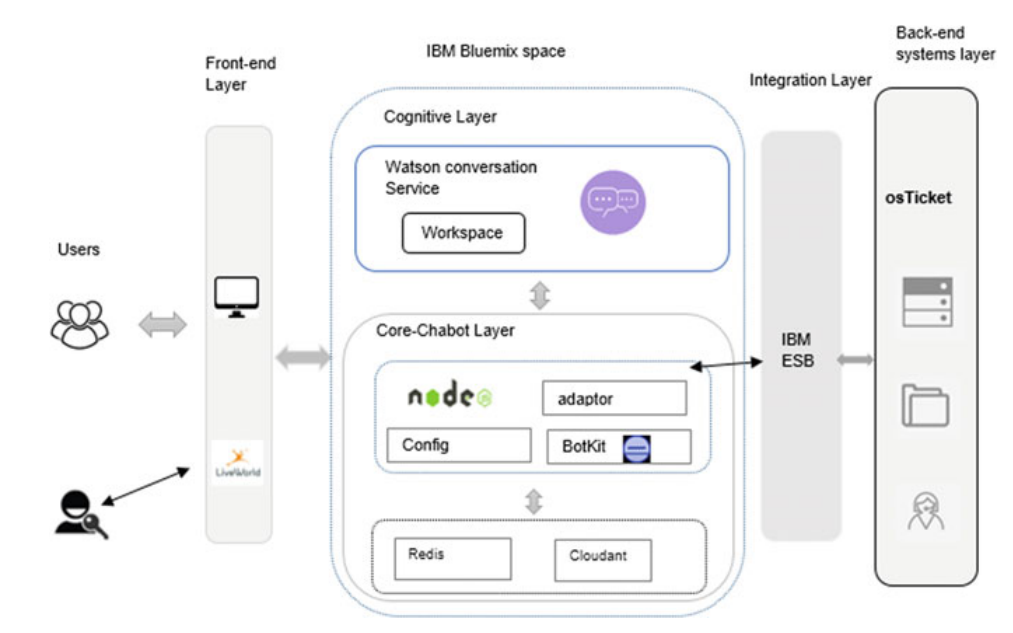
The radical change in technology and high customer expectations and demand are pushing the service desk to provide a competent service for the customers. And this service should be faster, more flexible and gives a more accurate response and high user experience. Replacing the human call agent’s activities with a cognitive agent could improve the user experience by providing a faster response to customer’s requests, removing the human errors and giving 24/7 support with less operational cost. The cognitive agent has the potential to scale personalized and tailored interactions. And this will
Evaluation of Different Sarcasm Detection Models for Arabic News Headlines
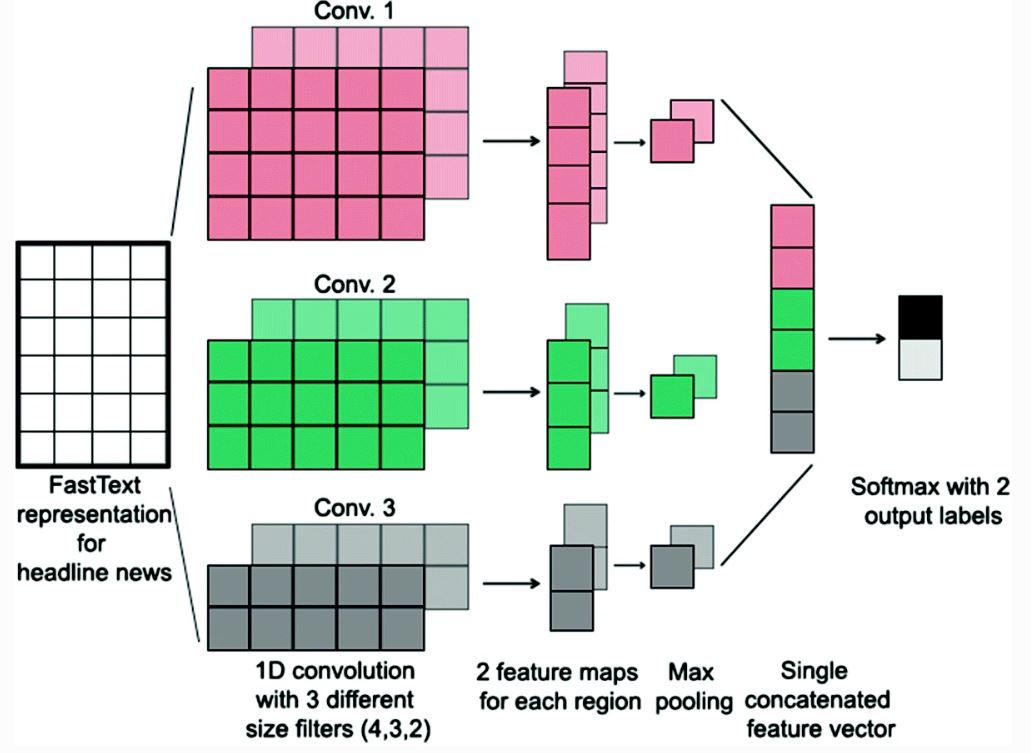
Being sarcastic is to say something and to mean something else. Detecting sarcasm is key for social media analysis to differentiate between the two opposite polarities that an utterance may convey. Different techniques for detecting sarcasm are varying from rule-based models to Machine Learning and Deep Learning models. However, researchers tend to leverage Deep Learning in detecting sarcasm recently. On the other hand, the Arabic language has not witnessed much improvement in this research area. Bridging the gap in sarcasm detection of the Arabic language is the target behind this work. In
Transverse momentum spectra of strange hadrons within extensive and nonextensive statistics
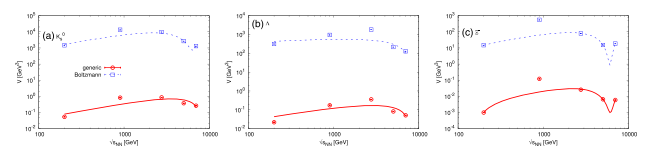
Using generic (non)extensive statistics, in which the underlying system likely autonomously manifests its extensive and nonextensive statistical nature, we extract various fit parameters from the CMS experiment and compare these to the corresponding results obtained from Tsallis and Boltzmann statistics. The present study is designed to indicate the possible variations between the three types of statistical approaches and characterizes their dependence on collision energy, multiplicity, and size of the system of interest. We analyze the transverse momentum spectra pT of the strange hadrons Ks
Recognizing Clothing Patterns and Colors for BVI People Using Different Techniques
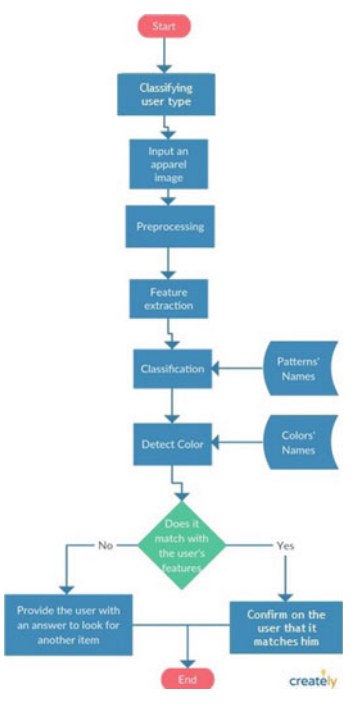
For blind and visually impaired (BVI) people, it is an arduous task to recognize clothing patterns and colors. It is especially complex to recognize them automatically. This is a highly researched area in image processing. This paper provides BVI with the ability to detect patterns and colors without depending on personal assistance, leading to increasing their confidence. The user first captures an image; then, our system detects colors and patterns. The color model used here is the hue saturation value (HSV). The main colors detected by our system are magenta, cyan, blue, green, red and
HSAS-MD Analyzer: A Hybrid Security Analysis System Using Model-Checking Technique and Deep Learning for Malware Detection in IoT Apps
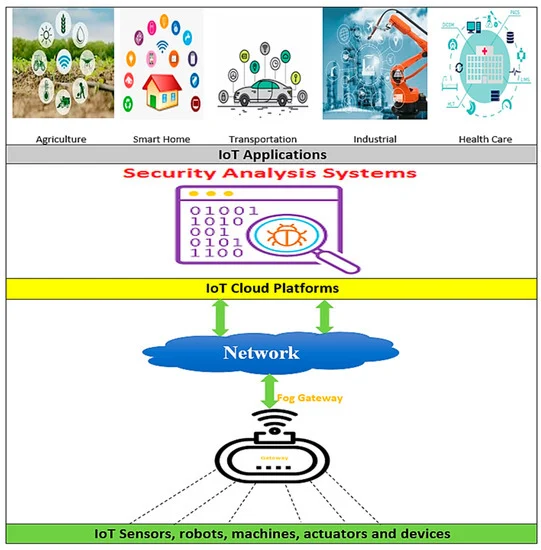
Established Internet of Things (IoT) platforms suffer from their inability to determine whether an IoT app is secure or not. A security analysis system (SAS) is a protective shield against any attack that breaks down data privacy and security. Its main task focuses on detecting malware and verifying app behavior. There are many SASs implemented in various IoT applications. Most of them build on utilizing static or dynamic analysis separately. However, the hybrid analysis is the best for obtaining accurate results. The SAS provides an effective outcome according to many criteria related to the
Modeling the impacts of information and communication technologies and virtual activities on activity and travel behavior: Case study of Cairo, Egypt
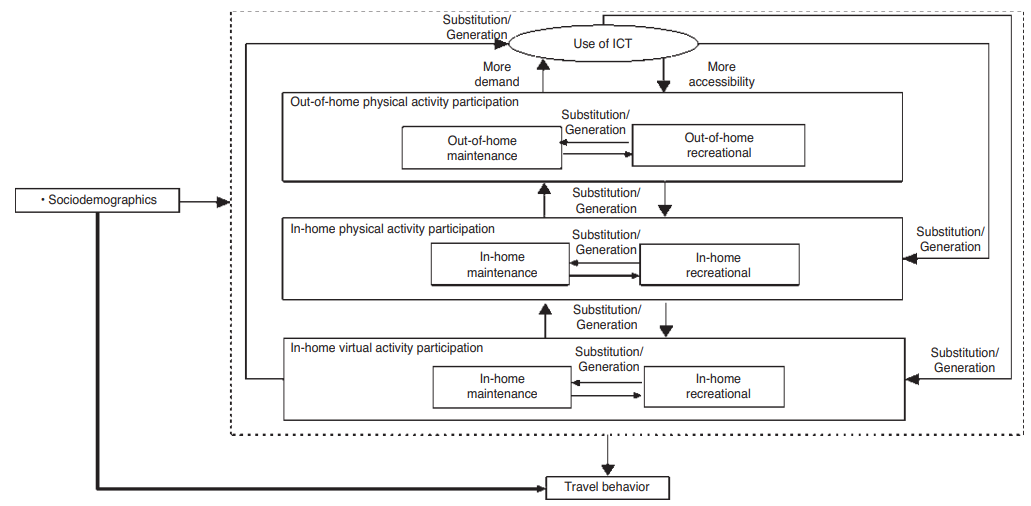
The boom in telecommunications is expected to have many impacts on peoples' activities and travel behavior. Recent advances in information and communication technologies (ICTs) make it possible to conduct activities virtually. Thus the need for physical travel for some types of activities is obviated. Accordingly, the use of ICT may contribute to reducing urban congestion and alleviating air quality problems. However, ICT may generate significant additional travel because of the increased connectivity and access to resources. Empirical insights on how the growing use of ICT affects travel
Comparing maintenance strategies for overlays
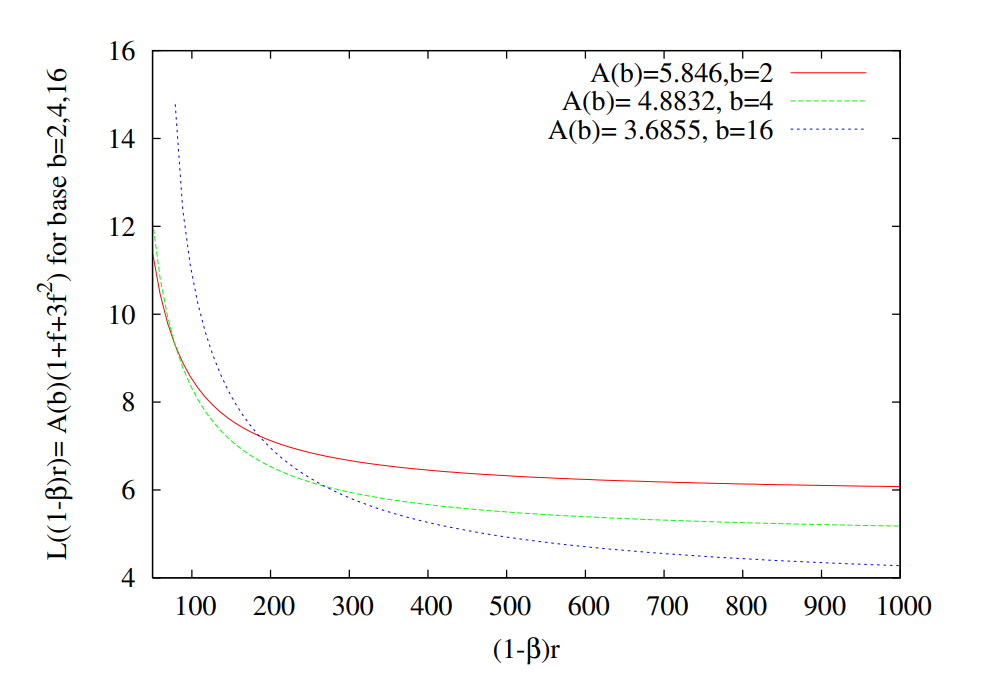
In this paper, we present an analytical tool for under-standing the performance of structured overlay networks under churn based on the master-equation approach of physics. We motivate and derive an equation for the average number of hops taken by lookups during churn, for the Chord network. We analyse this equation in detail to understand the behaviour with and without churn. We then use this understanding to predict how lookups will scale for varying peer population as well as varying the sizes of the routing tables. We also consider a change in the maintenance algorithm of the overlay, from
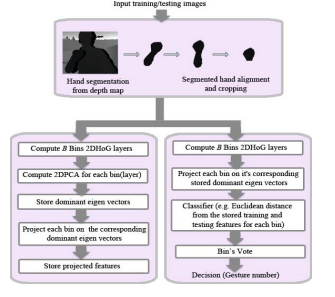
Real-time 2DHoG-2DPCA algorithm for hand gesture recognition
Hand gesture recognition is one of the most challenging topics in computer vision. In this paper, a new hand gesture recognition algorithm presenting a 2D representation of histogram of oriented gradients is proposed, where each bin represents a range of angles dealt with in a separate layer which allows using 2DPCA. This method maintains the spatial relation between pixels which enhances the recognition accuracy. In addition, it can be applied on either hand contour or image representing hand details. Experimental results were performed on the latest existing depth camera dataset. The
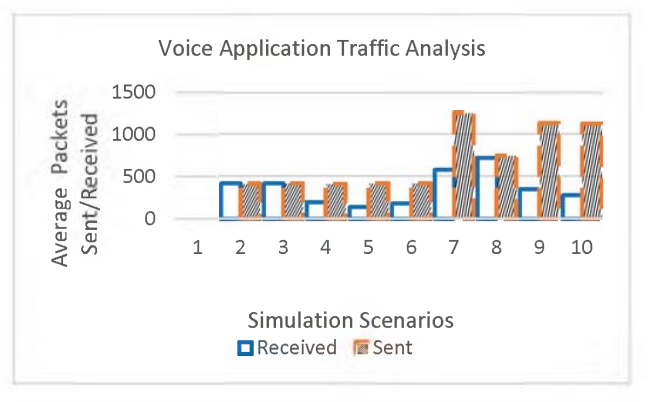
Traffic Analysis for Real Time Applications and its Effect on QoS in MANETs
Quality of Service (QoS) is one of the major challenges in Mobile Ad-hoc Networks (MANETs), due to their nature and special characteristics. QoS depends on different and multiple metrics such as routing protocols, route stability, channel rate quality, bandwidth, ... etc. Most of studies focus on the above metrics and some of them proposed enhancements. However, there are still unfilled gaps that need to be tackled. In this paper, we focus on the impact of QoS parameters on MANETs. The main objective is to identify the suitable applications in MANETs with respect to the network parameters. ©