
Computer-aided analysis of fluorescein angiograms using colour leakage maps
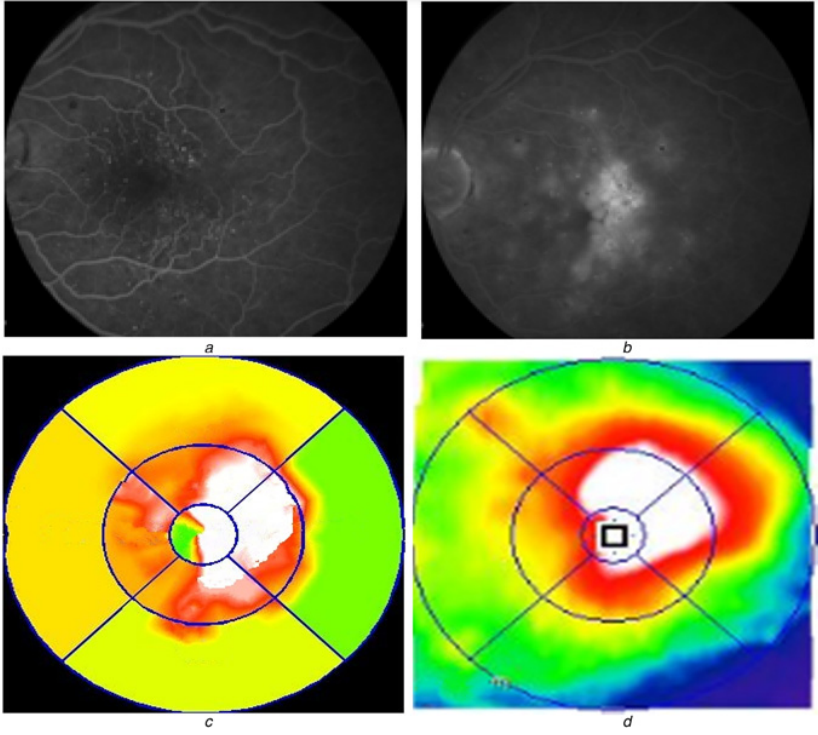
Fundus fluorescein angiography (FFA) is a standard screening and diagnosis technique for several retinal diseases. The analysis of FFA images is performed qualitatively by skilled observers, and thus is vulnerable to inter- and intra-observer variability. In this study, the authors present a method for computer-aided analysis of FFA images. The method is based on generating quantitative colour fluorescein leakage maps (FLM) that mimic the thickness maps generated by the optical coherence tomography (OCT). Results from 64 patients show strong correlation between the FLM and OCT thickness maps
A Survey of COVID-19 Contact Tracing Apps
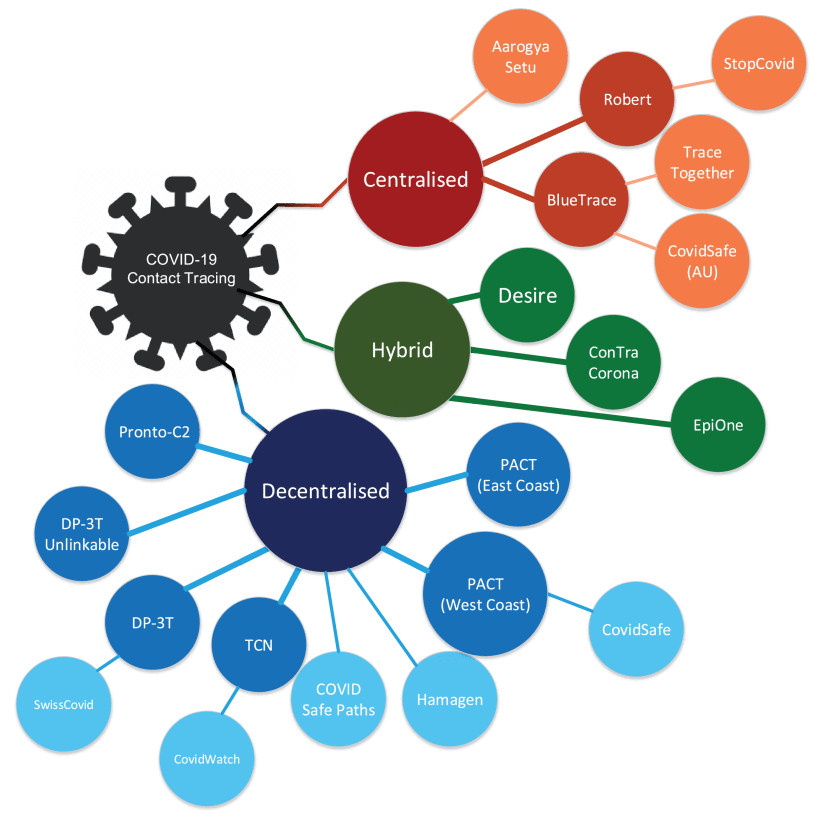
The recent outbreak of COVID-19 has taken the world by surprise, forcing lockdowns and straining public health care systems. COVID-19 is known to be a highly infectious virus, and infected individuals do not initially exhibit symptoms, while some remain asymptomatic. Thus, a non-negligible fraction of the population can, at any given time, be a hidden source of transmissions. In response, many governments have shown great interest in smartphone contact tracing apps that help automate the difficult task of tracing all recent contacts of newly identified infected individuals. However, tracing
A robust quasi-quantum walks-based steganography protocol for secure transmission of images on cloud-based E-healthcare platforms
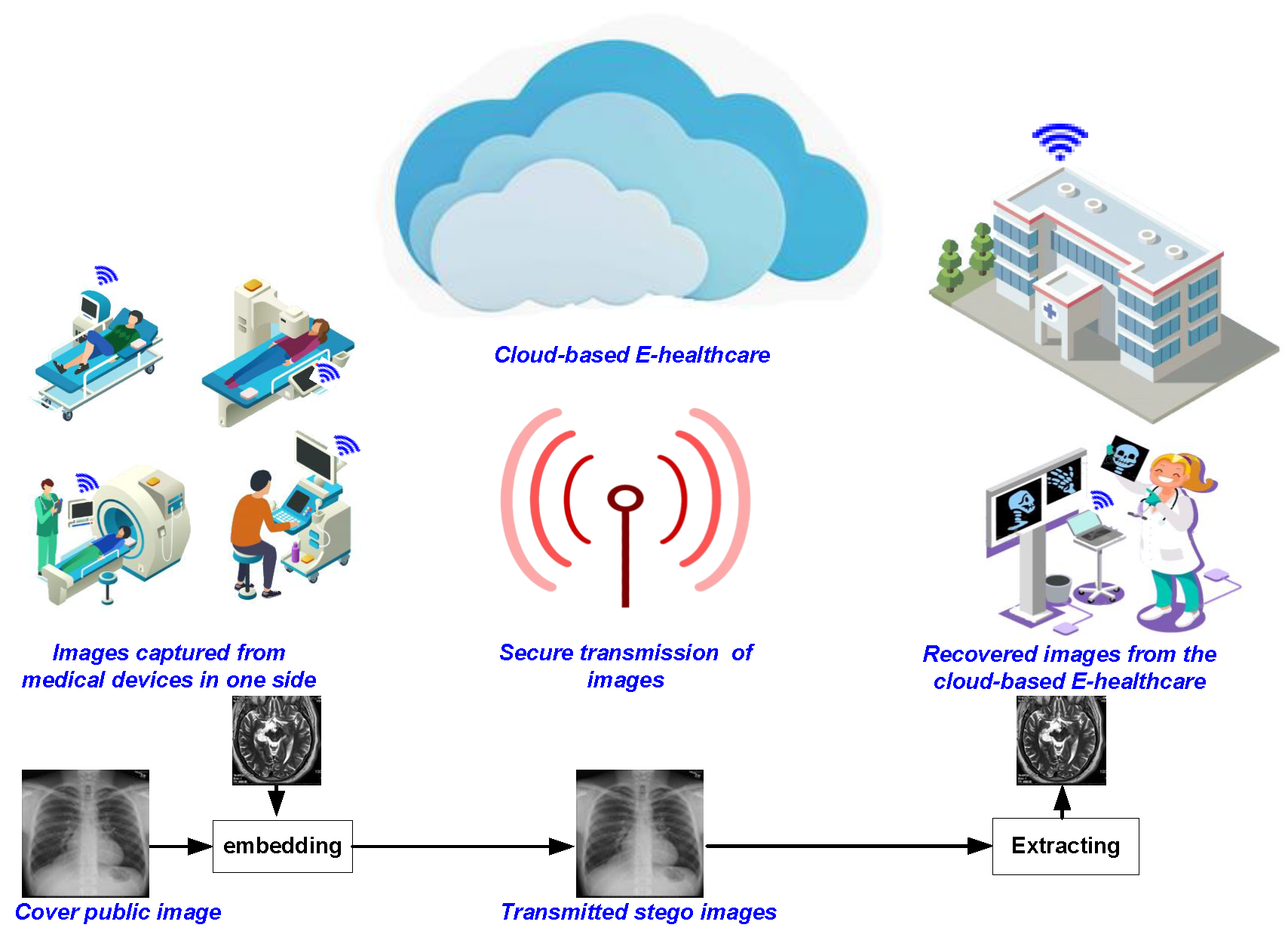
Traditionally, tamper-proof steganography involves using efficient protocols to encrypt the stego cover image and/or hidden message prior to embedding it into the carrier object. However, as the inevitable transition to the quantum computing paradigm beckons, its immense computing power will be exploited to violate even the best non-quantum, i.e., classical, stego protocol. On its part, quantum walks can be tailored to utilise their astounding ‘quantumness’ to propagate nonlinear chaotic behaviours as well as its sufficient sensitivity to alterations in primary key parameters both important
A review study: Computational techniques for expecting the impact of non-synonymous single nucleotide variants in human diseases
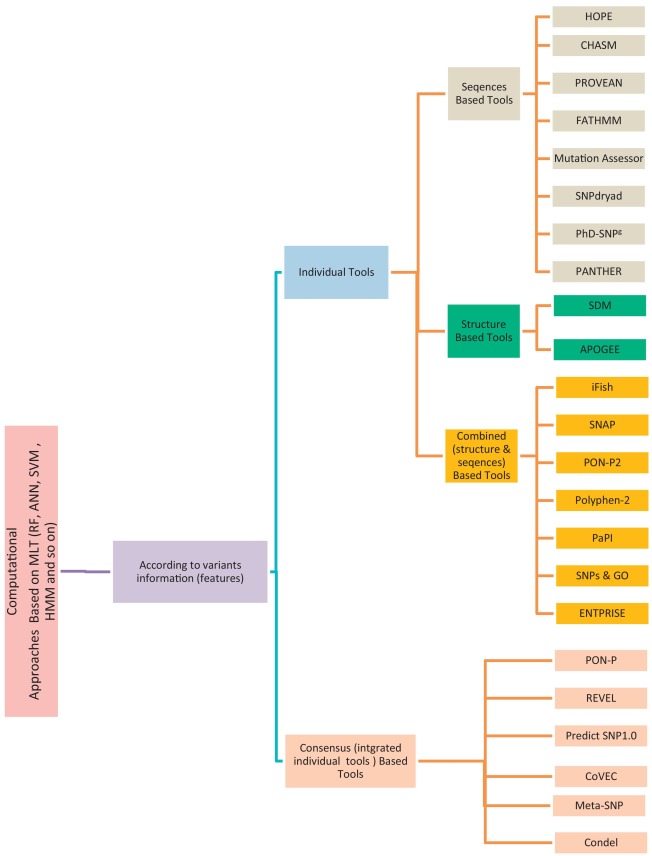
Non-Synonymous Single-Nucleotide Variants (nsSNVs) and mutations can create a diversity effect on proteins as changing genotype and phenotype, which interrupts its stability. The alterations in the protein stability may cause diseases like cancer. Discovering of nsSNVs and mutations can be a useful tool for diagnosing the disease at a beginning stage. Many studies introduced the various predicting singular and consensus tools that based on different Machine Learning Techniques (MLTs) using diverse datasets. Therefore, we introduce the current comprehensive review of the most popular and recent
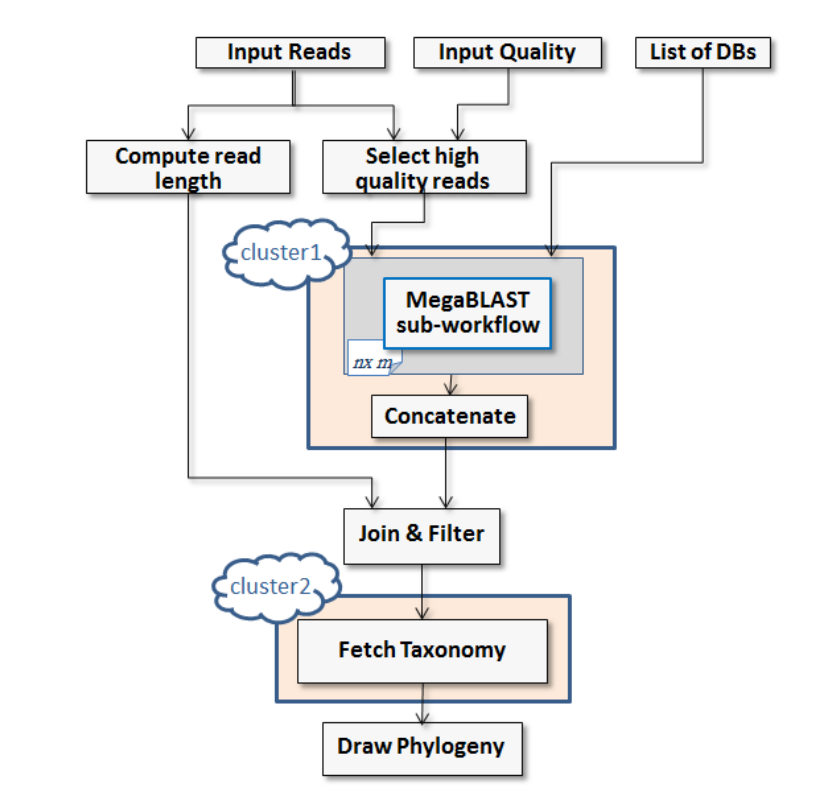
Towards scalable and cost-aware bioinformatics workflow execution in the cloud - Recent advances to the tavaxy workflow system
Cloud-based scientific workflow systems can play an important role in the development of cost effective bioinformatics analysis applications. So far, most efforts for supporting cloud computing in such workflow systems have focused on simply porting them to the cloud environment. The next due steps are to optimize these systems to exploit the advantages of the cloud computing model, basically in terms of managing resource elasticity and the associated business model. In this paper, we introduce new advancements in designing scalable and cost-effective workflows in the cloud using the Tavaxy
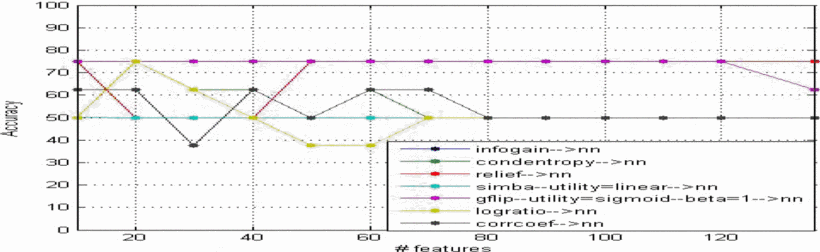
Feature selection in computer aided diagnostic system for microcalcification detection in digital mammograms
In this paper an approach is proposed to develop a computer-aided diagnosis (CAD) system that can be very helpful for radiologist in diagnosing microcalcifications' patterns in digitized mammograms earlier and faster than typical screening programs and showed the efficiency of feature selection on the CAD system. The proposed method has been implemented in four stages: (a) the region of interest (ROI) selection of 32x32 pixels size which identifies clusters of microcalcifications, (b) the feature extraction stage is based on the wavelet decomposition of locally processed image (region of
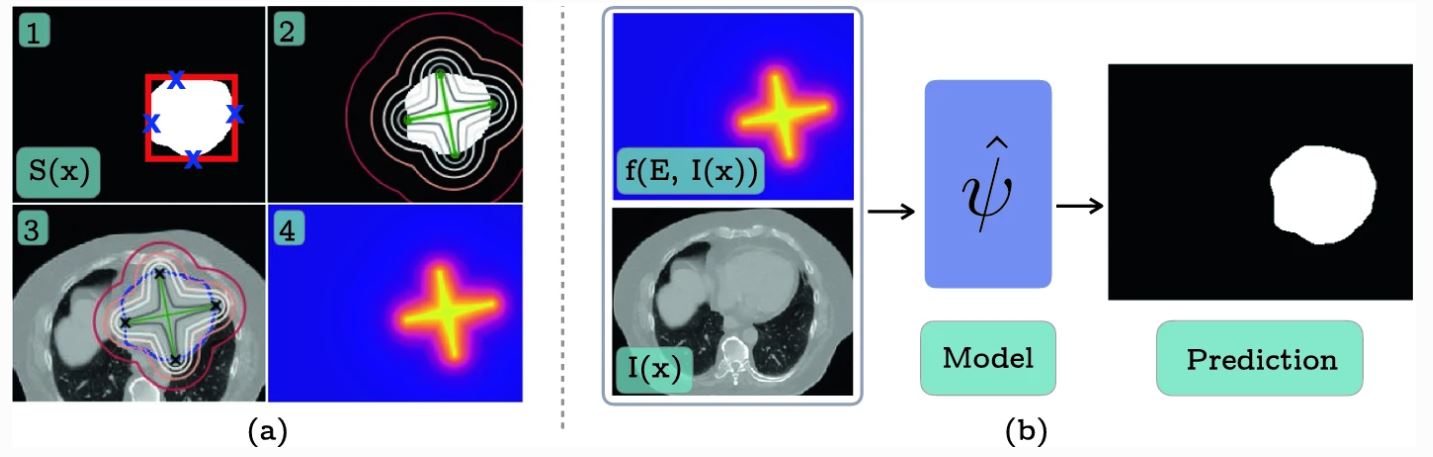
Extreme Points Derived Confidence Map as a Cue for Class-Agnostic Interactive Segmentation Using Deep Neural Network
To automate the process of segmenting an anatomy of interest, we can learn a model from previously annotated data. The learning-based approach uses annotations to train a model that tries to emulate the expert labeling on a new data set. While tremendous progress has been made using such approaches, labeling of medical images remains a time-consuming and expensive task. In this paper, we evaluate the utility of extreme points in learning to segment. Specifically, we propose a novel approach to compute a confidence map from extreme points that quantitatively encodes the priors derived from
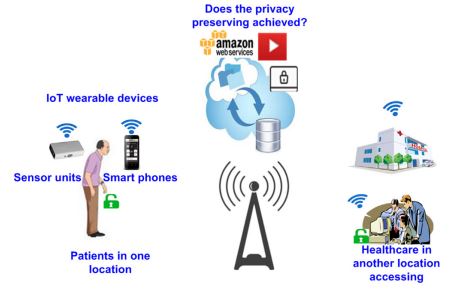
Controlled alternate quantum walks based privacy preserving healthcare images in Internet of Things
The development of quantum computers and quantum algorithms conveys a challenging scenario for several cryptographic protocols due to the mathematical scaffolding upon which those protocols have been built. Quantum walks constitute a universal quantum computational model which is widely used in various fields, including quantum algorithms and cryptography. Quantum walks can be utilized as a powerful tool for the development of modern chaos-based cryptographic applications due to their nonlinear dynamical behavior and high sensitivity to initial conditions. In this paper, we propose new
Features selection for building an early diagnosis machine learning model for Parkinson's disease
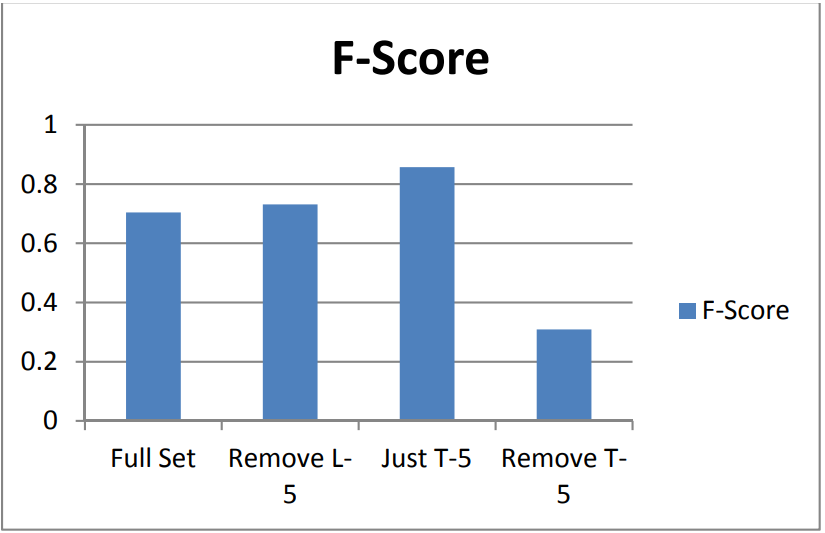
In this work, different approaches were evaluated to optimize building machine learning classification models for the early diagnosis of the Parkinson disease. The goal was to sort the medical measurements and select the most relevant parameters to build a faster and more accurate model using feature selection techniques. Decreasing the number of features to build a model could lead to more efficient machine learning algorithm and help doctors to focus on what are the most important measurements to take into account. For feature selection we compared the Filter and Wrapper techniques. Then we
MC-GenomeKey: A multicloud system for the detection and annotation of genomic variants
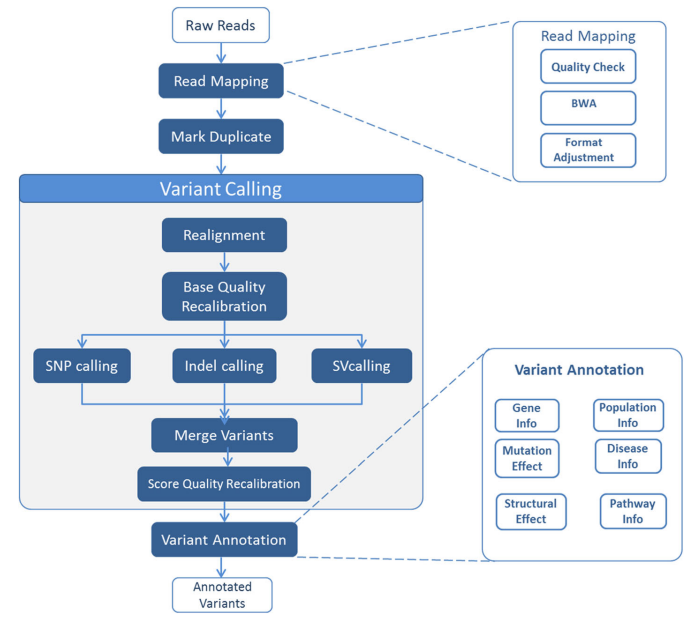
Background: Next Generation Genome sequencing techniques became affordable for massive sequencing efforts devoted to clinical characterization of human diseases. However, the cost of providing cloud-based data analysis of the mounting datasets remains a concerning bottleneck for providing cost-effective clinical services. To address this computational problem, it is important to optimize the variant analysis workflow and the used analysis tools to reduce the overall computational processing time, and concomitantly reduce the processing cost. Furthermore, it is important to capitalize on the